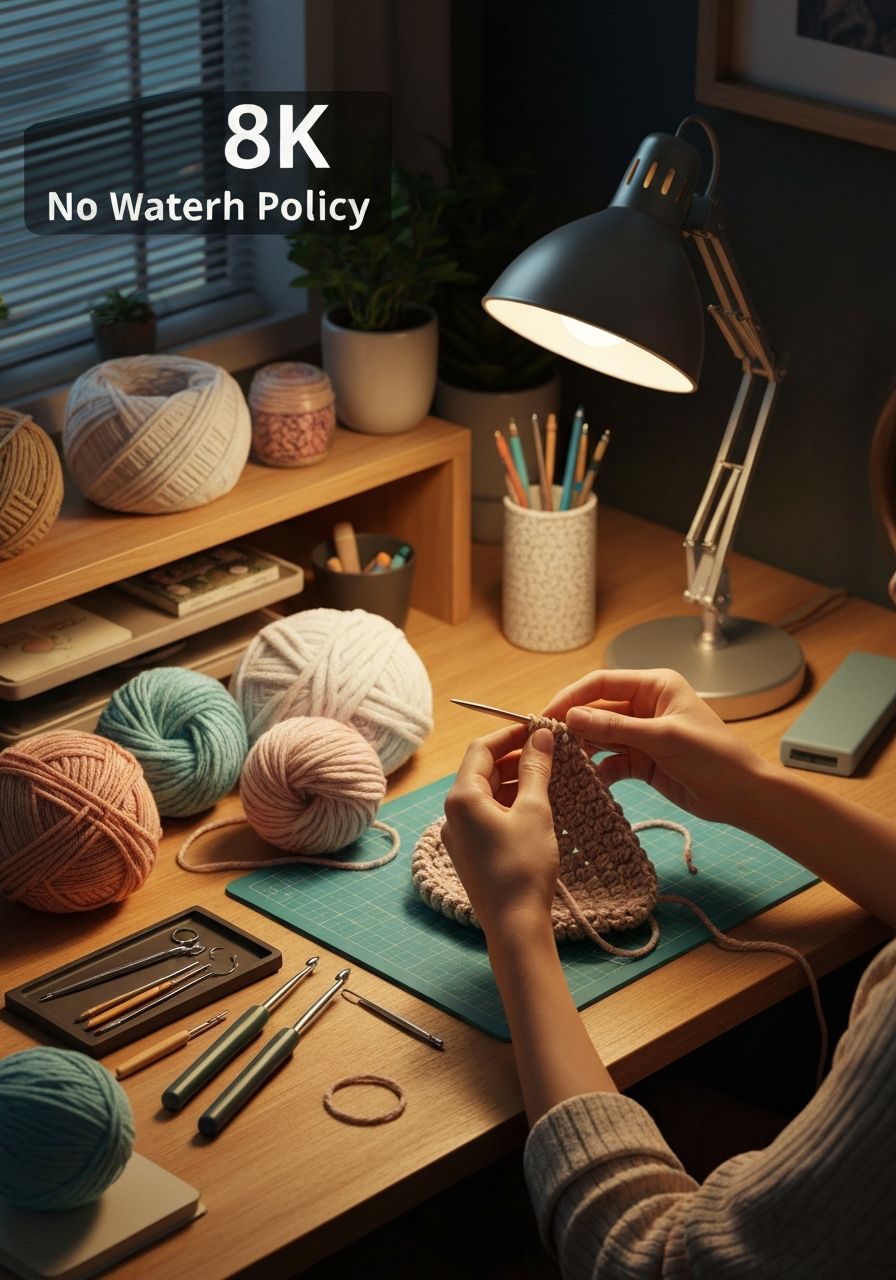
Imagine a world where every stitch you crochet flows effortlessly from your hook, where your finished projects drape beautifully, feel luxurious, and stand the test of time. This isn't a dream – it's the reality you unlock when you understand the magic behind Crochet Yarn Types. Choosing the right yarn is the secret ingredient to turning your creative vision into a tangible, cherished piece, transforming a simple strand into a masterpiece that brings joy with every loop. Let's embark on this exciting journey to unravel the mysteries of yarn and equip you with the knowledge to select the perfect fiber for every project!
Why It Matters: More Than Just Color
As a beginner, it's easy to be captivated by a yarn's color or softness in the store. However, yarn is far more complex than its aesthetic appeal. The type of fiber, its weight, and how it's spun dramatically influence your crocheting experience and the final outcome of your project. The wrong yarn can lead to frustration, an ill-fitting garment, or a project that doesn't hold up to wear and washing. Conversely, selecting the perfect yarn can elevate a simple pattern, ensuring your stitches pop, your fabric has the desired drape, and your finished item fulfills its purpose, whether it's a cozy blanket, a breathable top, or a durable toy.
What You Need to Know: Decoding the Yarn Label
Before diving into specific yarn types, let's look at the essential information found on every yarn label. This is your yarn's passport, telling you everything you need to know:
- Fiber Content: This tells you what the yarn is made of (e.g., 100% Acrylic, 50% Wool / 50% Alpaca).
- Yarn Weight: Indicated by a number (0-7) or a descriptive term (e.g., Lace, Fingering, Worsted, Bulky). This dictates the yarn's thickness and helps you choose the right hook size.
- Recommended Hook Size: A suggestion from the manufacturer, often accompanied by a gauge swatch recommendation.
- Gauge: The number of stitches and rows per inch/cm using the recommended hook. Crucial for ensuring your project matches the pattern's size.
- Care Instructions: Washing, drying, and ironing instructions to keep your finished item looking its best.
- Dye Lot: A number indicating the specific batch the yarn was dyed in. Always buy enough yarn from the same dye lot to avoid noticeable color variations in your project.
- Yardage/Meterage: The total length of yarn in the skein. Essential for calculating how much yarn you'll need.
Decoding the Skein: A Closer Look at Common Yarn Types
Let's explore the most common yarn types you'll encounter as a beginner, breaking them down by their fiber origin and characteristics.
Natural Fibers: The Earth's Embrace
Derived from plants or animals, natural fibers are celebrated for their unique textures, breathability, and luxurious feel.
Animal Fibers
- Wool: The classic choice for warmth and elasticity. Wool comes in many forms (Merino, Lambswool, Alpaca, Cashmere, Mohair) each with varying softness and drape. It's excellent for garments, blankets, and anything that needs to hold its shape or provide warmth. Wool also 'blooms' and softens with blocking.
Crochet with Wool: To truly feel the difference, try a small swatch! With a worsted weight wool, make a simple single crochet rectangle:
- Chain 11.
- Single crochet (sc) in the 2nd chain from hook and across (10 sc). Chain 1, turn.
- Repeat step 2 for 5 more rows.
Notice how the stitches feel springy and have a natural elasticity. This resilience is a hallmark of wool, making it great for stitch definition and warmth.
- Alpaca: Softer and warmer than most sheep's wool, with a beautiful drape and subtle sheen. It's often used for luxurious garments but can be pricier.
- Cashmere & Mohair: Extremely soft and luxurious, known for their warmth and delicate halo. Usually blended with other fibers due to cost and delicate nature.
Plant Fibers
- Cotton: A versatile and durable fiber, cotton is breathable, absorbent, and creates projects with excellent stitch definition. It has very little stretch, which is great for dishcloths, bags, and summer garments. Mercerized cotton has a slight sheen and increased strength.
Crochet with Cotton: Repeat the 10-stitch single crochet swatch using a worsted weight mercerized cotton.
- Chain 11.
- Single crochet (sc) in the 2nd chain from hook and across (10 sc). Chain 1, turn.
- Repeat step 2 for 5 more rows.
Compare it to your wool swatch. The cotton will feel less stretchy, with a crisp stitch definition and a cooler drape, perfect for items that need to hold their shape or be absorbent.
- Bamboo: Known for its exceptional softness, drape, and subtle sheen, similar to silk. It's very breathable and often blended with cotton or other fibers.
- Linen & Hemp: Strong, durable fibers that soften beautifully with age and washing. They offer a rustic texture and are excellent for sturdy bags or breathable summer wear.
Synthetic Fibers: Modern Marvels
Man-made fibers offer affordability, durability, and easy care, making them popular choices, especially for beginners.
- Acrylic: The reigning champion for beginners! Acrylic yarn is affordable, widely available in a vast array of colors, durable, and machine washable. It's soft, warm, and holds its shape well, making it ideal for blankets, toys (amigurumi), and garments where easy care is a must. Modern acrylics have come a long way in terms of softness and feel.
Crochet with Acrylic: Try a double crochet swatch with a worsted weight acrylic yarn.
- Chain 13.
- Double crochet (dc) in the 3rd chain from hook and across (11 dc). Chain 2, turn.
- Repeat step 2 for 5 more rows.
Observe how easily the hook glides through acrylic and how consistently the stitches form. This makes it a forgiving fiber for learning new stitches and building confidence.
- Polyester: Often used for novelty yarns (like chenille or faux fur) due to its strength and resistance to stretching. It's very durable and great for items that need to withstand heavy use.
- Nylon: Rarely used alone, nylon is frequently blended with other fibers (like wool or acrylic) to add strength, elasticity, and durability, especially in sock yarns.
Blends: The Best of Both Worlds
Many yarns are blends of two or more fibers, combining the best qualities of each. For example, a wool/acrylic blend offers the warmth of wool with the easy care and affordability of acrylic. A cotton/bamboo blend provides the structure of cotton with the softness and drape of bamboo. Blends allow designers to create yarns with specific properties for various projects.
Common Mistakes to Avoid
Even seasoned crocheters can fall into these traps. Here’s what to watch out for:
- Ignoring the Yarn Label: This is your most important tool! Always read it for fiber content, weight, care instructions, and especially dye lot.
- Choosing Yarn Solely on Color: While color is important, always consider the fiber type and weight for your project's intended use. A beautiful color of delicate lace weight won't make a sturdy blanket.
- Not Buying Enough Yarn: Running out of yarn mid-project is frustrating, but running out and not finding the same dye lot can be devastating for the final look. Always buy a little extra than the pattern suggests, especially for larger projects.
- Substituting Yarn Without Checking Gauge: Not all yarns of the same weight (e.g., all worsted weights) are identical. Always make a gauge swatch if substituting yarn to ensure your project turns out the correct size.
- Misunderstanding Care Instructions: Crocheting a beautiful sweater only to have it shrink or pill after the first wash is heartbreaking. Always check care instructions before you start.
Pro Tips for Yarn Success
Elevate your yarn game with these insider tips:
- Always Swatch: For every new yarn and pattern, make a gauge swatch. It’s the only way to ensure your project will be the correct size and that you like the fabric your chosen yarn and hook create together.
- Consider the End Use: Will it be worn? Washed frequently? Needs to be durable? Soft? Warm? Breathable? Answer these questions to narrow down fiber choices.
- Read Reviews: Before committing to a large project, look up reviews for specific yarns online. Other crocheters' experiences can be incredibly helpful.
- Feel Before You Buy: If possible, touch the yarn. Squish it, drape it, see how it feels against your skin. This is especially important for garments.
- Start with Worsted Weight Acrylic: For beginners, this combination is forgiving, affordable, and easy to work with while you learn stitches.
- Keep a Yarn Journal: Note down yarns you love (or dislike!), patterns you used them for, and any observations. This builds your personal yarn knowledge base.
Frequently Asked Questions
What's the best yarn for a beginner?
For beginners, worsted weight (size 4) acrylic yarn is highly recommended. It's affordable, widely available, easy to work with (doesn't split easily), and comes in countless colors. Its consistent texture makes it easier to see your stitches, helping you master the basics.
How do I know how much yarn to buy?
Always refer to your pattern's yarn requirements. Most patterns will specify the amount in yards/meters or by the number of skeins of a particular brand. When in doubt, buy an extra skein, especially if you can't guarantee getting the same dye lot later. It's better to have a little too much than not enough!
Can I mix different yarn types in one project?
Yes, absolutely! Mixing yarn types can create unique textures and visual interest. However, be mindful of their differing characteristics: combine yarns of similar weight to maintain gauge, consider their drape (stiff cotton with soft alpaca might look odd), and ensure their care instructions are compatible (e.g., don't mix a machine-washable acrylic with a hand-wash-only wool if you want easy care).
Understanding crochet yarn types is a game-changer on your creative journey. It transforms the overwhelming wall of colorful skeins into a library of possibilities, each with its own story and potential. Don't be afraid to experiment, swatch, and learn from every fiber you touch. With this guide, you're now equipped to choose your yarn with confidence, turning every stitch into a step towards your next cherished, handmade creation. Happy crocheting!