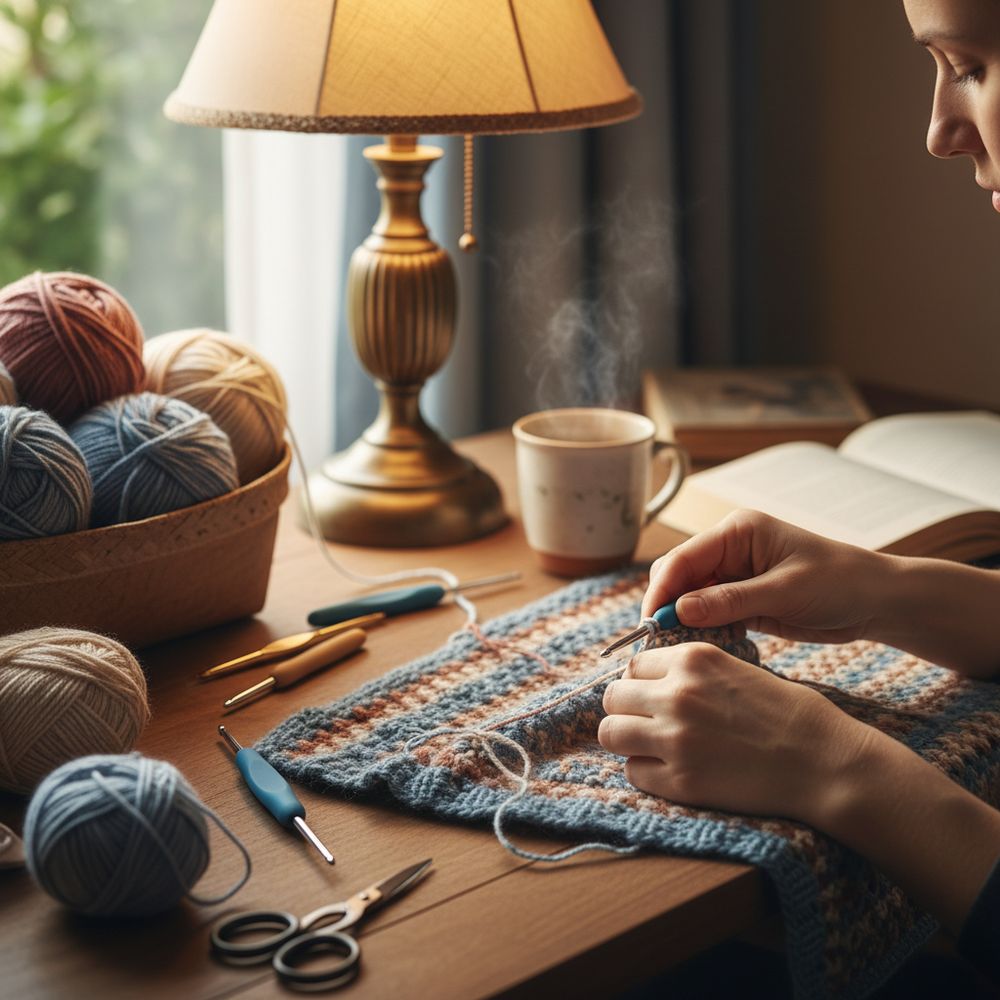
Imagine pouring your heart and soul into a beautiful crochet project, watching it grow stitch by stitch, only to find yourself staring at a tangled mess of yarn tails that threaten to unravel all your hard work. That sinking feeling? Weâve all been there. But what if I told you that the seemingly daunting task of tidying up those loose ends is actually a simple, empowering step that can elevate your crochet from handmade to truly professional? Mastering Crochet Weaving In Ends isn't just about hiding yarn; it's about securing your stitches, enhancing durability, and giving your finished piece the polished, lasting beauty it deserves. Get ready to transform your finishing game and create projects you'll be proud to show off!
Welcome, fellow crocheters, to the ultimate beginner's guide to weaving in ends. This isn't just a chore; it's an art form that ensures your creations stand the test of time, wash after wash, wear after wear. Forget flimsy knots and visible tails; we're going to dive into techniques that make your yarn disappear as if by magic, leaving behind only the stunning fabric you've lovingly crafted.
Why It Matters: The Power of a Perfect Finish
While the allure of a new project often makes us rush through the finishing touches, understanding *why* weaving in ends is crucial can motivate you to embrace this vital step. It's more than just aesthetics; it's about integrity.
- Durability and Longevity: The most significant reason to properly weave in your ends is to prevent your project from unraveling. Every knot and join, if not secured, is a potential weak point. A well-woven end becomes an integral part of the fabric, locking stitches in place and ensuring your hard work lasts for years, not just weeks.
- Professional Appearance: Visible yarn tails scream "unfinished" and can detract from the beauty of even the most intricate stitch work. Properly woven ends create a seamless, clean look that elevates your project from homemade to handcrafted masterpiece. This is especially important for items like garments, blankets, and gifts.
- Comfort and Safety: For wearables, especially baby items, loose ends can be scratchy, irritating, or even a choking hazard. Weaving them in creates a smooth, safe surface against the skin. No one wants to wear a sweater that constantly snags on its own tails!
- Pride in Your Craft: Thereâs immense satisfaction in completing a project that looks just as good on the back as it does on the front. Taking the time to finish properly shows dedication to your craft and results in a piece you can truly be proud of.
What You Need to Know Before You Start
Before we dive into the how-to, let's gather our tools and understand some fundamental principles.
Essential Tools:
- Yarn Needle (Tapestry Needle): This is your best friend for weaving in ends. Choose one with a blunt tip to avoid splitting the yarn you're weaving into and a large eye to accommodate your yarn weight. They come in various sizes; match the needle size to your yarn.
- Sharp Scissors: For cleanly trimming your yarn tails after weaving.
Key Principles:
- Leave Enough Tail: A common mistake is cutting the yarn too short. Aim for a tail of at least 6-8 inches (15-20 cm). This gives you enough length to work with comfortably and ensures a secure weave.
- Don't Pull Too Tight: While you want your ends secure, pulling too tightly will distort your fabric, causing puckering or tightening of stitches. Maintain the natural tension of your crocheted piece.
- Mimic the Yarn Path: The goal is to make the woven tail blend in seamlessly. Try to follow the natural flow of the stitches, going through the existing yarn strands rather than just through gaps.
- Go in Multiple Directions: Weaving in one direction is not secure enough. You need to change direction at least once, preferably twice, to truly lock the yarn in place. This creates friction and prevents the tail from working its way out.
- Weave Into Similar Colors/Textures: Whenever possible, weave a tail into an area of the same color yarn. This makes it virtually invisible. Consider the texture of your yarn; smooth yarns might require more passes than fuzzy ones.
Step-by-Step: Mastering the Disappearing Act
Let's break down the process into actionable steps, then look at specific techniques for different stitch types.
The General Weaving Process:
- Thread Your Needle: Take your yarn tail and thread it through the eye of your yarn needle. If your yarn is thick, you might need to flatten the end slightly or twist it to get it through.
- Insert the Needle into the Fabric: Begin by inserting your needle into the fabric, making sure to go *through* the strands of existing stitches, not just under loops or through large gaps. Your goal is to split the plies of the existing yarn slightly, creating friction.
- Weave Horizontally (or Diagonally): Work your needle through several stitches (about 1-2 inches or 2.5-5 cm) in one direction. Try to follow a path that mirrors the existing yarn, often along the top of a row or within the body of the stitches.
- Change Direction: Once you've woven a decent length, gently pull the yarn through. Now, change direction. You can go vertically down a stitch post, or diagonally. Weave another 1-2 inches in this new direction.
- Change Direction (Again, Optional but Recommended): For maximum security, change direction one more time, weaving back in the opposite direction of your first pass, or in another perpendicular direction. This creates a secure "lock."
- Trim the Excess: Gently tug on your fabric to relax the stitches and allow the woven yarn to settle. Then, using sharp scissors, carefully snip the remaining yarn tail as close to the fabric as possible without cutting any of the actual stitches. The slight tension release will cause the trimmed end to retract slightly into the fabric, making it invisible.
Specific Techniques for Different Stitches:
The key is to adapt the general process to the structure of your stitches.
- Weaving into Single Crochet (sc) or Half Double Crochet (hdc) Fabric:
- These stitches create a dense fabric. You'll want to weave horizontally along the top or bottom of a row, going through the "v" of the stitches or through the back loops.
- Then, turn your needle and weave vertically down through the post of a few stitches, splitting the yarn strands as you go.
- Reverse direction again, perhaps along the previous horizontal path, but slightly offset. The density of these stitches makes it easy to hide yarn within the fabric itself.
- Weaving into Double Crochet (dc) or Treble Crochet (tr) Fabric:
- These stitches are taller and have more open spaces. Weave horizontally along the top of a row, going through the top loops of the stitches.
- Then, weave vertically down through the "posts" of the double crochet stitches. There's usually a clear path to go through the center of the post, or wrap around it, mimicking the yarn that forms the stitch.
- You can also weave diagonally through the fabric, following the natural slant of the stitches. Ensure you're catching enough yarn within the fabric to prevent slippage.
- Securing Color Changes:
- When changing colors, you'll have two tails: the old color and the new. Weave each tail independently.
- Work the old color tail into the stitches of the *old* color, and the new color tail into the stitches of the *new* color. This keeps the colors distinct and prevents bleeding or visible tails.
- Always weave into the back of your work for color changes, especially if it's a visible seam.
- Weaving into a Magic Ring or Round 1 Tail:
- After closing your magic ring or working into your chain for the first round, you'll have a starting tail.
- Thread this tail onto your needle and weave it around the stitches of the first round, going in the opposite direction you crocheted.
- Then, change direction and weave back through a few stitches, securing it firmly. This is crucial for preventing the center of your work from opening up.
Common Mistakes to Avoid
Even with the best intentions, it's easy to fall into common traps. Be mindful of these:
- Weaving Too Short a Tail: As mentioned, 6-8 inches is ideal. Anything shorter is frustrating to work with and less secure.
- Pulling Too Tightly: This is a big one! It distorts your fabric, making it pucker or causing stitches to look uneven. Relax your grip.
- Weaving in Only One Direction: This is the quickest way for an end to pop out. Always change direction at least once.
- Weaving Through Gaps, Not Stitches: Simply pushing the needle through holes in your fabric won't secure the yarn. You need to catch and split the actual strands of the existing stitches for friction.
- Cutting Yarn Too Close Without a Tug: If you trim the yarn without a gentle tug on the fabric first, the trimmed end might be visible on the surface. The tug allows the end to retract slightly.
- Not Securing Color Changes Properly: Leaving color change tails loose or only weaving them into one side can lead to unraveling or a messy appearance.
Pro Tips for a Flawless Finish
- Weave as You Go: For projects with frequent color changes or many small pieces (like granny squares), weave in ends after every few color changes or as you finish each small piece. This prevents a mountain of tails at the end and makes the final assembly much less daunting.
- Block Your Project After Weaving: Blocking (wetting and shaping your finished piece) helps to set the stitches, even out tension, and further secure any woven-in ends, making them truly disappear into the fabric.
- Split the Plies (Carefully): For some yarns, especially those with multiple plies, you can carefully split the yarn tail into two thinner strands. Weave each strand in separately in different directions. This creates an incredibly secure and invisible finish, but practice on a swatch first.
- Use a Slightly Smaller Needle for Fine Yarns: If your yarn is very fine, a standard yarn needle might be too bulky. A slightly smaller needle (sometimes called a beading needle or a finer tapestry needle) can help you weave without distorting the delicate stitches.
- Practice on Swatches: Don't wait until your masterpiece is done to practice. Create a few small swatches with different stitches and yarn weights, and practice your weaving techniques.
Frequently Asked Questions
How long should my yarn tail be for weaving?
A minimum of 6-8 inches (15-20 cm) is recommended. This provides enough length to comfortably thread your needle, weave through multiple stitches, and change direction several times for a secure finish.
Can I just knot my ends instead of weaving?
While a knot might seem quick, it's generally not recommended for crochet projects. Knots can be bulky, unsightly, and prone to unraveling over time, especially with washing and wear. Weaving creates a much more secure, invisible, and durable finish that integrates the tail into the fabric itself.
Does the type of yarn needle matter?
Yes, it does! Always use a blunt-tipped yarn or tapestry needle. A sharp needle can split the working yarn and damage your stitches. The eye should be large enough to easily thread your yarn weight. Needles come in plastic, metal, and various sizes; choose one that feels comfortable and matches your yarn thickness.
Congratulations! You've just unlocked the secret to truly professional-looking crochet. Weaving in ends might not be the most glamorous part of the crocheting process, but it's undoubtedly one of the most important. By understanding the 'why' and mastering the 'how,' you're not just hiding yarn; you're investing in the longevity, beauty, and integrity of every stitch you create. So grab your yarn needle, embrace the final flourish, and finish your projects with the confidence of a true crochet artisan!