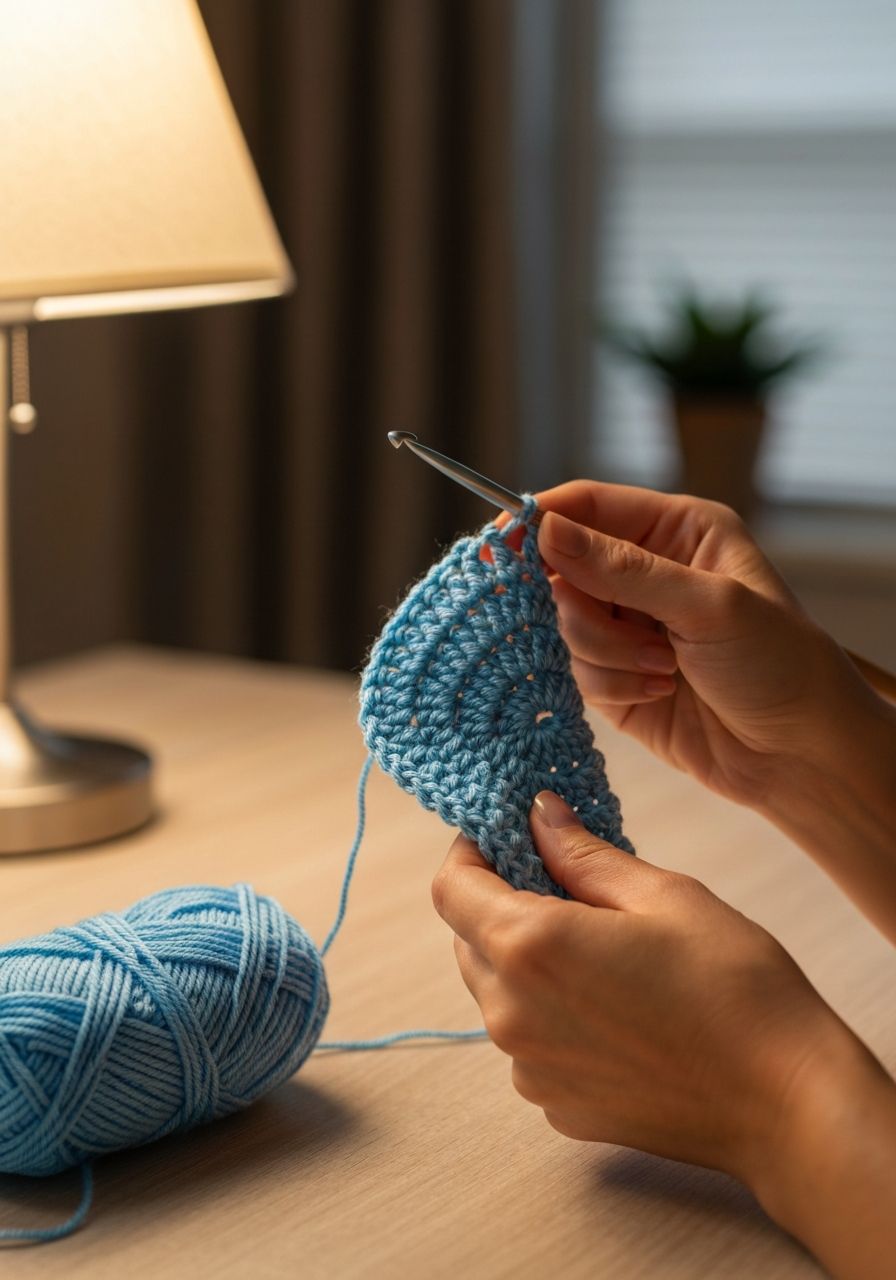
Imagine finally finishing that stunning blanket you poured hours of love into, or that adorable amigurumi your child adores, only for it to come out of the wash stretched, felted, or completely ruined. The heartbreak is real, but it doesn't have to be your story! Protecting your precious handmade items starts long before a spill or a dusty shelf. It begins with understanding the simple, yet vital, art of Washing Crochet. This guide will empower you with the knowledge to care for your creations like a seasoned pro, ensuring they stay beautiful, soft, and cherished for years to come, making every stitch you crochet feel even more rewarding!
As a beginner crocheter, you're investing time, skill, and passion into every loop and pull. Learning how to properly care for your finished projects is just as important as mastering your stitches. Whether it’s a cozy scarf, a delicate doily, or a robust blanket, each piece deserves appropriate care to maintain its shape, texture, and vibrant color. This comprehensive guide will walk you through everything you need to know, from understanding different fiber types to mastering hand washing and machine care, ensuring your crocheted treasures stand the test of time.
Why It Matters
Proper care isn't just about cleanliness; it's about preserving your hard work and the integrity of your fibers. Different yarns react uniquely to water, heat, and agitation. Wool, for example, can felt and shrink dramatically if washed incorrectly, transforming a soft blanket into a stiff, smaller version of its former self. Acrylic, while more resilient, can lose its shape or develop a rough texture. Cotton might stretch or bleed dye. By understanding the 'why' behind each washing technique, you gain confidence that your beloved items won't be damaged, allowing them to remain heirlooms rather than one-time wonders. This knowledge also extends the lifespan of your projects, making them truly worthwhile investments of your time and creativity.
What You Need to Know
Understanding Your Yarn: Fiber Types and Labels
The golden rule of crochet care begins with knowing your yarn. Always keep the yarn label! It’s a treasure trove of information, detailing fiber content, weight, dye lot, and crucial care instructions. Here’s a quick rundown of common fiber types and their general care needs:
- Natural Fibers (Wool, Alpaca, Cashmere, Silk): These delicate fibers are prone to shrinking and felting with heat and agitation. Always opt for cold water and gentle hand washing or a delicate machine cycle with a wool-specific detergent. Lay flat to dry.
- Plant Fibers (Cotton, Linen, Bamboo): Generally durable and absorbent. Cotton can be machine washed and dried, but always check the label for specific temperatures as some may shrink or bleed dye. Often prone to stretching when wet, so lay flat to dry for best results.
- Synthetic Fibers (Acrylic, Polyester, Nylon): Known for durability, affordability, and ease of care. Most can be machine washed and dried, but excessive heat can 'melt' or 'kink' acrylic fibers, leading to a stiff or shiny texture (often called 'killing' acrylic). Use cool to warm water and low heat for drying, or lay flat.
- Blends: These combine the properties of their constituent fibers. Always follow the most restrictive care instruction on the label (e.g., if it has wool, treat it like wool).
Essential Tools for Washing Crochet
- Mild Detergent: pH-neutral, wool-friendly soap (e.g., Eucalan, Woolite, or even baby shampoo for hand washing). Avoid harsh chemicals or bleach.
- Clean Basin or Sink: For hand washing.
- Large Towels: For gently pressing out excess water.
- Mesh Laundry Bag: Essential for machine washing delicate items to prevent snagging and stretching.
- Drying Rack or Clean, Flat Surface: Crucial for air drying items flat.
- Measuring Tape and Blocking Mats (Optional but Recommended): For blocking and maintaining shape.
The Swatch Test: Your Best Friend
Before washing a finished item, especially if you're unsure about the yarn or don't have the label, perform a swatch test. This small, sacrificial piece will show you how the yarn reacts to your chosen washing method without risking your entire project.
Swatch Test Pattern:
To create a simple test swatch that incorporates various stitch types for comprehensive testing:
- R1: Start with a magic ring. Ch 2 (counts as first hdc), then work 9 hdc into the ring. Join with a sl st to the top of the initial ch 2. (10 hdc stitches)
- R2: Ch 1 (does not count as a stitch). Work *1 sc in the next stitch, then inc (work 2 sc) in the following stitch*. Repeat from * to * around. Join with a sl st to the first sc. (15 sc stitches)
- R3: Ch 3 (counts as first dc). Work 1 dc in the next stitch. Then, *ch 1, skip 1 stitch, work 1 dc in each of the next 2 stitches*. Repeat from * to * around, ending with ch 1, skip 1 stitch. Join with a sl st to the top of the initial ch 3. (10 dc stitches, 5 ch-1 spaces)
- Fasten off and weave in ends.
Measure your dry swatch. Then, wash and dry it using your intended method. Once dry, measure it again. Did it shrink? Stretch? Change texture? This small effort saves big heartache.
Step-by-Step Guide to Washing Your Crochet
Preparation is Key
- Inspect Your Item: Check for any loose ends, snags, or stains. Weave in any stray tails before washing to prevent unraveling.
- Pre-treat Stains: For stubborn spots, gently pre-treat with a tiny amount of your mild detergent or a specialized stain remover safe for the fiber type. Do a patch test first.
Hand Washing Method (Recommended for most crochet)
- Fill Basin: Fill a clean sink or basin with cool to lukewarm water (never hot, unless specified for a very specific fiber). Add a small amount of mild detergent, just enough to make a light lather.
- Submerge Gently: Carefully submerge your crochet item, allowing it to soak completely. Gently squeeze the water through the fabric. Do NOT rub, twist, or stretch.
- Soak (Optional): For very delicate items or to remove odors, you can let it soak for 15-30 minutes.
- Rinse Thoroughly: Drain the soapy water. Refill the basin with clean, cool water and gently squeeze the water through the item until all soap is gone. Repeat rinsing until the water runs clear and no suds remain.
- Remove Excess Water: Do not wring! Gently press the item against the side of the basin to squeeze out as much water as possible.
Machine Washing Method (Only if yarn label permits)
- Use a Mesh Bag: Place your crochet item inside a mesh laundry bag. This protects it from snagging on other clothes and reduces agitation.
- Select Cycle: Choose the most gentle cycle available (e.g., "delicate," "hand wash," "wool") with cold water. Avoid high spin speeds if possible, as they can stretch items.
- Add Detergent: Use a mild, fiber-appropriate detergent.
- Wash Alone or with Similar Items: Wash with items of similar color and weight, or ideally, by itself.
Drying Your Crochet
- Roll in a Towel: Lay a clean, dry towel flat. Place your damp crochet item on top. Roll the towel up tightly, pressing firmly to absorb more water. Repeat with a second dry towel if necessary.
- Lay Flat to Dry: Transfer your item to a clean, dry surface, a mesh drying rack, or blocking mats. Gently reshape it to its original dimensions, smoothing out any wrinkles.
- Air Dry Completely: Allow the item to air dry completely, flipping it occasionally to ensure even drying. This can take 24-48 hours or longer for very thick items.
- NEVER Hang Wet Crochet: The weight of the water will stretch and distort your item beyond repair.
Common Mistakes to Avoid
- Hot Water: A surefire way to shrink or felt natural fibers and potentially "kill" synthetics.
- Harsh Detergents: Can strip natural fibers of their oils, making them brittle, or cause color fading.
- Machine Drying: High heat and tumbling are the enemies of most crochet, leading to shrinkage, felting, and distortion.
- Wringing or Twisting: This damages stitches and stretches the fabric.
- Hanging Wet Items: Gravity will cause stretching and misshaping.
- Over-agitating: Vigorous scrubbing or excessive machine agitation can lead to felting, pilling, and damage to the stitch structure.
Pro Tips for Longevity
- Store Properly: Fold crocheted items rather than hanging them to prevent stretching. Store them in a cool, dry place away from direct sunlight and pests.
- Spot Clean When Possible: For small spills or dirt, try to spot clean with a damp cloth and mild soap instead of a full wash.
- Blocking: For lace, garments, or items needing precise dimensions, blocking after washing can work wonders. This involves pinning the damp item to its desired shape and allowing it to dry, setting the stitches beautifully.
- Regular, Gentle Care: Don't wait until an item is heavily soiled. Gentle, routine washing extends its life and keeps it fresh.
- Consider Lint Rollers: For items prone to pilling or collecting pet hair, a lint roller is a gentle way to refresh them between washes.
Frequently Asked Questions
Can I wash amigurumi (stuffed toys)?
Yes, but often with extra care! If it has plastic safety eyes, ensure they are securely fastened. Avoid submerging items with electronic components. Hand washing is usually best, gently squeezing out water, and stuffing with dry towels to help it maintain shape while drying. Lay flat or prop up to air dry completely.
How do I remove pilling from my crochet?
Pilling is natural friction-induced fuzz. You can gently remove pills with a fabric shaver, a specialized depiller, or even a sharp razor (use with extreme caution, holding the fabric taut). Avoid pulling pills off by hand, as this can stretch the fabric.
What if my crochet item shrinks or stretches?
If an item shrinks, you might be able to gently "block" it back into shape by re-wetting it, carefully stretching it to its original dimensions, and pinning it in place to dry. For stretched items, a gentle wash (perhaps slightly warmer if the fiber allows) and careful reshaping may help, but it's often harder to fix than shrinkage.
Caring for your crocheted creations doesn't have to be a daunting task. By following these simple guidelines, understanding your yarn, and giving your handmade items the gentle attention they deserve, you'll ensure they remain beautiful, soft, and cherished for many years to come. Every stitch you lovingly create is a work of art, and now you have all the knowledge to keep those masterpieces looking as good as the day they came off your hook!