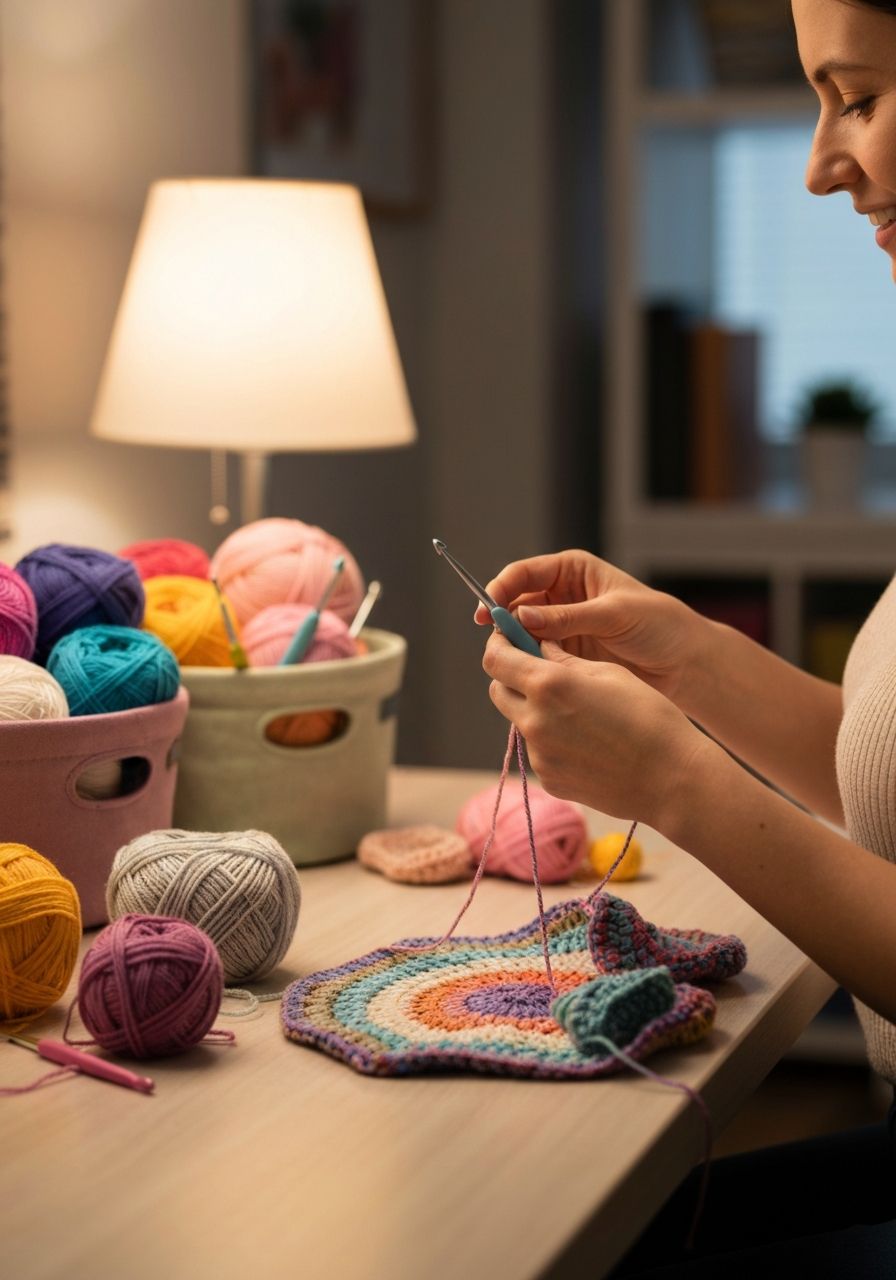
Imagine opening a neatly organized drawer or reaching into a pristine bin, finding the perfect skein of yarn exactly when you need it – vibrant, untangled, and ready for your hook. No more wrestling with dusty, muddled tangles, or discovering a beloved skein has become a pet's new toy or a moth's banquet. For every beginner stepping into the wonderful world of crochet, learning the art of Crochet Storing Yarn is just as crucial as mastering your first chain stitch. It’s not just about tidiness; it's about preserving your passion, protecting your investment, and ensuring every project starts with joy and ease. Get ready to transform your yarn chaos into a serene, inspiring sanctuary!
As you embark on your crochet journey, you'll quickly discover the irresistible urge to collect beautiful yarns. Each skein holds the promise of a new creation, a cozy blanket, a charming amigurumi, or a stylish garment. But as your stash grows, so does the challenge of keeping it in pristine condition. Effective yarn storage isn't a chore; it's an empowering skill that safeguards your materials, keeps your workspace clutter-free, and ensures your creative flow remains uninterrupted. This guide will walk you through everything you need to know to become a yarn storage pro, starting right from the basics.
Why It Matters
Properly storing your yarn is far more than just keeping things tidy; it's a fundamental part of responsible crafting. Here’s why mastering yarn storage is so important for every crocheter, especially beginners:
- Protect Your Investment: Yarn isn't always inexpensive. Your beautiful skeins represent a financial commitment, and proper storage helps protect that investment from damage, dirt, and pests, ensuring they're always ready for use.
- Prevent Damage and Tangles: Unprotected yarn can easily unravel, tangle into a frustrating mess, or become damaged by dust, sunlight, or moisture. Good storage keeps your yarn neat, intact, and ready to be worked with.
- Maintain Fiber Quality: Different fibers have different needs. Storing yarn correctly helps preserve its texture, color, and integrity. Animal fibers, for example, need protection from moths, while all yarns benefit from being kept out of direct sunlight to prevent fading.
- Boost Your Creativity: When your yarn is organized, finding the perfect color or fiber for your next project is a joy, not a chore. A well-organized stash reduces stress and allows your creative ideas to flow freely, making your crafting time more enjoyable and productive.
- Pest Prevention: Moths and other fabric pests are a real threat, especially to natural fibers like wool, alpaca, and silk. Learning how to properly store these yarns can save you from the heartbreak of a damaged stash.
What You Need to Know
Before you dive into organizing, it's helpful to understand the basic principles and potential challenges of yarn storage.
Understand Your Yarn Types
- Animal Fibers (Wool, Alpaca, Silk): These luxurious yarns are soft, warm, and beautiful, but they are also a delicacy for moths and carpet beetles. They need to be stored in breathable, yet sealed, containers to prevent pests. Avoid extreme temperatures and high humidity, which can damage the fibers.
- Plant Fibers (Cotton, Linen, Bamboo): Generally less attractive to pests, but still susceptible to dust, dirt, and fading from sunlight. These yarns can be heavy, so storing them flat can prevent distortion. They also benefit from good airflow to prevent mustiness.
- Synthetic Fibers (Acrylic, Polyester): The most resilient and generally pest-resistant. Acrylic yarn is durable and can be stored in almost any condition, though it still benefits from being kept clean and out of direct sunlight to prevent dust and color fading.
Environmental Factors
- Temperature: Aim for moderate, consistent temperatures. Extreme heat can dry out fibers, while extreme cold can make them brittle.
- Humidity: Low to moderate humidity is ideal. High humidity can lead to mildew, mold, and even attract pests. Avoid storing yarn in damp basements or attics.
- Light: Direct sunlight is the enemy of yarn! It can cause colors to fade significantly and weaken fibers over time. Store yarn in dark places or in opaque containers.
Basic Storage Principles
No matter the fiber, aim for storage that is:
- Clean: Free from dust, dirt, and debris.
- Dry: Protected from moisture and humidity.
- Dark: Away from direct light.
- Protected: Shielded from pests, pets, and accidental damage.
Your First Steps to Organized Yarn
Ready to tackle your stash? Here’s a step-by-step guide to getting your yarn organized and protected.
Assess Your Stash
- Gather Everything: Collect all your yarn from every corner of your home.
- Sort and Evaluate: Divide your yarn by fiber type (wool, cotton, acrylic), weight (DK, worsted, bulky), and color. Check each skein for tangles, damage, or signs of pests. Discard anything that's beyond salvage.
- Identify Project Yarn: Keep yarn designated for specific projects separate.
Choose Your Storage Solutions
There are many options, and the best solution often involves a mix, depending on your space and yarn types.
- Clear Plastic Bins: Excellent for keeping yarn visible, dust-free, and pest-protected (especially airtight ones). Ideal for animal fibers.
- Fabric Bins/Baskets: Aesthetically pleasing and offer good breathability. Best for plant or synthetic fibers, or for animal fibers that are already in sealed bags.
- Drawers or Closets: Offer dark, protected storage. Ensure they are clean and free of pests.
- Yarn Bags/Project Bags: Perfect for works-in-progress, keeping all components together and preventing tangles.
- Vacuum Seal Bags: Great for long-term storage of synthetic yarns and space-saving, but be cautious with delicate animal fibers that might get crushed.
A Beginner's Crochet Project for Storage: The Simple Yarn Cozy
One of the best ways to protect individual skeins from unraveling and tangling is to give them their own cozy! This simple project is perfect for beginners to practice basic stitches while creating a useful storage item.
Materials:
- Worsted weight cotton yarn (a small amount, less than 50 yards)
- H/5.0mm crochet hook
- Yarn needle
- Scissors
- Optional: small ribbon or crocheted chain for a drawstring
Abbreviations:
- ch: chain
- sc: single crochet
- sl st: slip stitch
- inc: increase (2 single crochet in the same stitch)
- MR: Magic Ring
- BLO: back loop only
- dc: double crochet
Pattern Instructions:
Base (worked in continuous rounds):
- Rnd 1: Make a MR, ch 1 (does not count as st), 6 sc into MR. (6 sts)
- Rnd 2: 2 sc in each st around. (12 sts)
- Rnd 3: (1 sc, inc) around. (18 sts)
- Rnd 4: (2 sc, inc) around. (24 sts)
- Rnd 5: (3 sc, inc) around. (30 sts)
- Rnd 6: (4 sc, inc) around. (36 sts)
Your base should now be approximately 2.5-3 inches in diameter, suitable for a standard worsted weight skein.
Sides (worked in continuous rounds):
- Rnd 7: Sc in BLO (back loop only) around. (36 sts) This creates a nice defined edge for the base.
- Rnd 8-20 (or desired height): Sc in each st around. (36 sts)
Continue crocheting rounds until your cozy is tall enough to cover the height of your yarn skein, leaving a small opening at the top if you want a drawstring.
Top Edge/Drawstring (Optional, but good for securing yarn):
- Rnd 21: Ch 2 (counts as 1st dc), dc in next st. (Ch 1, skip 1 st, dc in next 2 sts) around. End with ch 1, skip 1 st, sl st to top of 1st dc. (approx. 12 dc-2ch-1 spaces created for drawstring)
- Rnd 22: Ch 1, sc in each dc and ch-1 space around. Sl st to first sc. (36 sts)
Fasten off and weave in all ends with your yarn needle. If desired, create a simple chain of about 30-40 stitches (or use a small ribbon) and weave it through the ch-1 spaces created in Rnd 21 to make a drawstring for your cozy. Pull to close and secure your yarn!
Implement and Maintain
- Label Everything: This is crucial! Note the fiber content, weight, yardage, color, and dye lot on a tag and attach it to the yarn. This saves you headaches later.
- Regular Checks: Periodically inspect your stash for any signs of pests or damage.
- Rotate Your Stash: Try to use older yarn first to keep your collection fresh and prevent anything from sitting too long.
Common Mistakes to Avoid
Even with the best intentions, it's easy to make storage errors. Watch out for these common pitfalls:
- Storing in Direct Sunlight: As mentioned, this is a fast track to faded colors and weakened fibers. Always store yarn in a dark place or in opaque containers.
- Damp and Humid Areas: Basements, garages, or laundry rooms can be breeding grounds for mold and mildew, which can utterly ruin your yarn.
- Overstuffing Containers: While it might seem efficient, cramming yarn into tight spaces can crush delicate fibers, leading to permanent creases or loss of loft. Give your yarn room to breathe.
- Leaving Yarn Exposed: Yarn left out on open shelves is a magnet for dust, pet hair, and curious critters (both human and animal!).
- Neglecting to Label: Forgetting what type of yarn you have, its weight, or dye lot can be a huge problem when you need to match or substitute. Label everything!
- Storing Pest-Prone Fibers Incorrectly: Mixing wool and other animal fibers with synthetics in open storage can put your entire stash at risk if pests decide to visit. Isolate and protect animal fibers in sealed containers.
Pro Tips
Once you've mastered the basics, consider these advanced tips to elevate your yarn storage game:
- Pest Deterrents: For natural fibers, place cedar balls, lavender sachets, or cotton balls with a few drops of essential oil (like peppermint or cedarwood) near your yarn. Ensure they don't directly touch the yarn to avoid oil transfer.
- Vacuum Sealing for Long-Term: For synthetic yarns or large quantities of non-delicate fibers, vacuum seal bags are fantastic for saving space and providing airtight protection.
- Create a Digital Inventory: Use a spreadsheet or a dedicated app to catalog your yarn. Include details like fiber, weight, color, dye lot, yardage, and even project ideas. This makes planning projects incredibly easy.
- Winding Your Yarn: While some prefer to keep yarn in its original skein, winding it into a cake (using a yarn winder) can make it more compact, less prone to tangling, and easier to work from. Just ensure cakes aren't wound too tightly to avoid stretching the yarn.
- DIY Dividers: Use cardboard, small fabric bags, or even more crocheted yarn cozies (like the pattern above!) to create dividers within larger bins. This keeps colors and types separated and prevents them from mixing.
Frequently Asked Questions
How do I store yarn without crushing it?
Avoid overpacking containers. Use bins that are appropriately sized for your yarn, allowing it to rest gently. Store heavier skeins or cakes at the bottom and lighter ones on top. If storing on shelves, ensure there's enough vertical space so that the yarn isn't compressed by the shelf above.
Can I store yarn in plastic bags?
Yes! Airtight plastic bags, especially freezer bags or Ziploc bags, are excellent for short-to-medium term storage, particularly for wool and other animal fibers. They provide an effective barrier against pests, dust, and moisture. For long-term storage, ensure the yarn is completely dry before sealing to prevent mildew, and consider breathable options if you live in a very humid climate and are concerned about condensation.
What's the best way to prevent moths?
The key to moth prevention is a multi-pronged approach: cleanliness (vacuum regularly), airtight containers for natural fibers, placing natural deterrents like cedar or lavender near your stash (but not touching the yarn), and regular inspection. Some crocheters even freeze new natural fiber yarn for 48-72 hours to kill any potential eggs or larvae before storing it.
With these tips and techniques, you're now equipped to create a yarn storage system that brings you joy, not stress. Learning to properly care for your yarn is a small effort that yields huge rewards, ensuring your precious materials are always ready for your next beautiful creation. Happy crocheting, and happy storing!