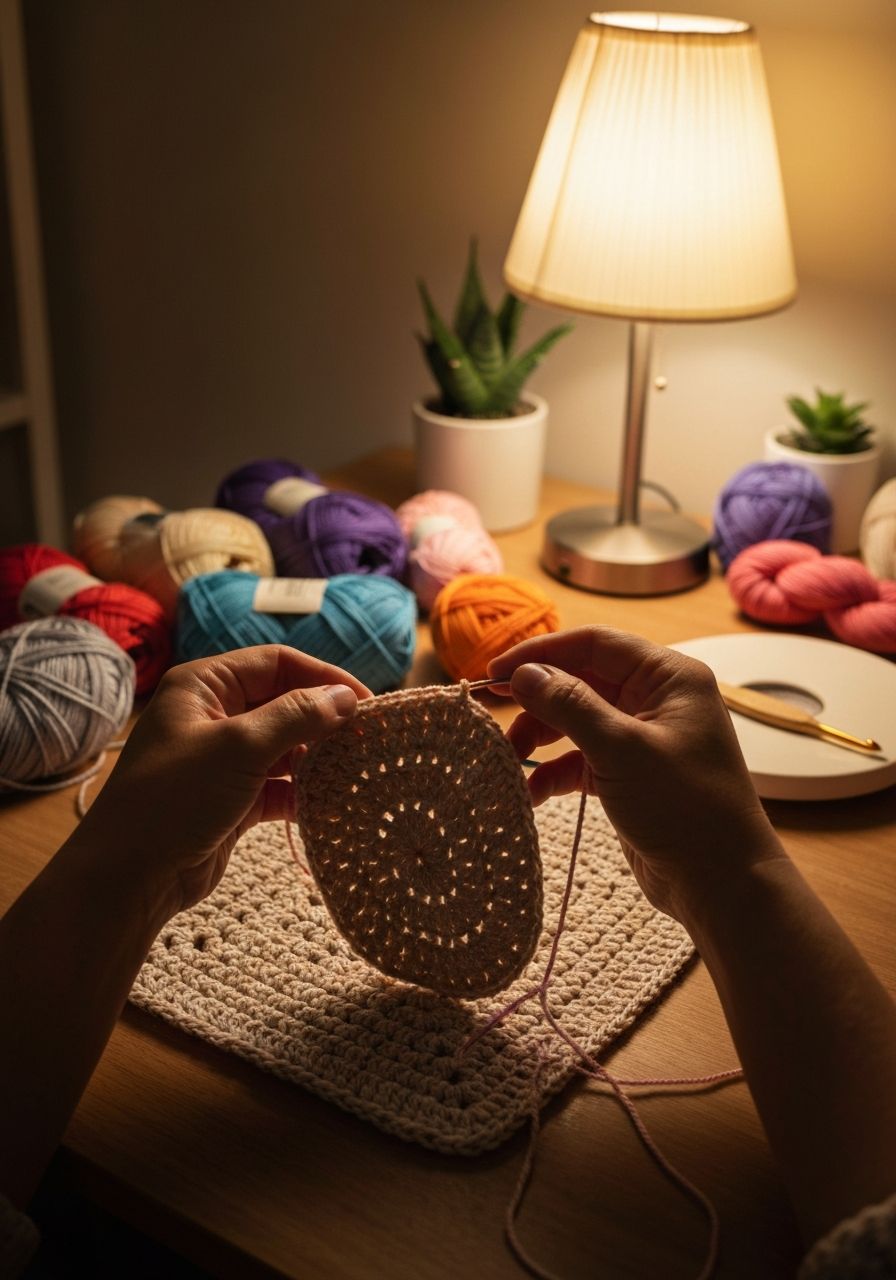
Imagine the thrill of someone admiring your handmade creation, not just with a compliment, but with a purchase! That feeling of turning your beloved hobby into a source of income, connecting with others through your stitches, and seeing your unique vision come to life in the hands of a happy customer – it's incredibly rewarding. If you've ever dreamt of taking your hooks and yarn beyond personal projects and into the marketplace, then this comprehensive guide to Crochet Selling Your Work is your first step towards making that dream a vibrant reality.
Unlocking Your Creative Potential
Moving from a hobbyist to a seller can feel like a giant leap, but it's a journey many crafters successfully make. This guide is designed to demystify the process, breaking down the essential steps and considerations for beginners. Whether you envision selling whimsical amigurumi, cozy blankets, stylish accessories, or adorable baby items, the principles remain largely the same: quality, passion, and a little bit of business savvy. Let's explore how you can confidently share your beautiful crochet creations with the world.
Why It Matters
Why bother with the complexities of selling when crocheting is such a fulfilling personal pastime? The reasons are as varied and vibrant as your yarn stash:
- Monetizing Your Skill: Your time, talent, and creativity are valuable. Selling your crochet work allows you to be compensated for the beautiful items you produce, transforming a passion into a sustainable income stream.
- Fueling Your Hobby: Let's be honest, yarn isn't free! Earning money from your craft can help offset the cost of materials, allowing you to experiment with more luxurious fibers, new tools, and exciting patterns without guilt.
- Building Confidence: Receiving positive feedback and sales validates your skills and unique artistic voice. It's a powerful confidence booster that encourages further growth and experimentation.
- Connecting with Community: Selling opens doors to connect with fellow crafters, supportive customers, and the wider handmade community. You'll find like-minded individuals who appreciate the artistry and effort behind each stitch.
- Sharing Your Art: Every crochet piece tells a story. Selling allows you to share your unique creative vision and bring joy to others through your handmade gifts, decor, and wearables.
What You Need to Know
Before diving headfirst into sales, there are fundamental aspects to understand that will lay a solid foundation for your crochet business.
Finding Your Niche
The world of crochet is vast. What truly excites you? Are you meticulous with a `magic ring` and love creating detailed amigurumi? Do you enjoy the rhythmic flow of a large `dc` or `hdc` blanket? Or perhaps you excel at intricate `ch` and `sc` patterns for accessories? Identifying your niche helps you focus your efforts, refine your style, and attract the right customers. Research what's popular, but also consider what you genuinely enjoy making and what sets your work apart.
Quality Over Quantity
This cannot be stressed enough. Handmade items carry an expectation of superior quality. Your stitches must be consistent – no loose `sc` or uneven `dc` stitches. All ends must be securely woven in, invisible to the eye. Seams should be neat, and any embellishments firmly attached. A perfectly executed `sl st` join can make all the difference. High-quality yarn and appropriate finishing techniques (like blocking) are essential. Remember, your finished product is your reputation.
Understanding Your Costs
Before you can price, you must know your expenses. This includes the cost of materials (yarn, stuffing, safety eyes, tags), packaging, and most importantly, your time. Keep track of every skein, every button, and every minute spent on a project. This data will be invaluable when setting prices that reflect your true value.
Your Step-by-Step Journey to Selling Crochet
Step 1: Master Your Craft
Even if you've been crocheting for a while, selling demands a higher level of precision. Practice makes perfect. Ensure you have a firm grasp of basic stitches like `ch`, `sc`, `hdc`, and `dc`, and that your tension is consistent. Learn how to execute `inc` and `dec` stitches flawlessly for perfect shaping. Pay attention to details like starting with a secure `magic ring` for seamless amigurumi or ensuring your `sl st` joins are invisible. The better your foundational skills, the higher the quality of your finished products.
Step 2: Develop Your Product Line
- Brainstorm Ideas: What do you love to make? What items do you think will sell? Look at trends, but also consider timeless pieces.
- Create Prototypes: Don't make a dozen of something until you've perfected one. Create a sample, examine it critically, and refine your pattern and technique.
- Focus on Consistency: If you plan to sell multiples of an item, ensure each one is identical in size, shape, and quality. This is where consistent stitch counts and tension (e.g., in each `sc` round of an amigurumi head) are crucial.
Step 3: Pricing Your Creations
This is often the trickiest part for beginners. A common formula is:
- (Cost of Materials + Hourly Wage for Your Time) x 2 = Retail Price.
- Your hourly wage should reflect your skill and experience (e.g., $15-$25/hour).
- Research what similar handmade items sell for. Don't underprice your work; it devalues the effort and skill involved in handmade goods.
Step 4: Photography & Presentation
Your product photos are your storefront. Invest time in learning basic product photography:
- Good Lighting: Natural light is best. Avoid harsh shadows.
- Clear Background: A simple, uncluttered background keeps the focus on your item.
- Show Details: Capture the texture of your stitches, the quality of your yarn, and any unique features. Close-ups of a beautifully executed `dc` pattern or a neat `magic ring` can highlight quality.
- Lifestyle Shots: Show your item in use (e.g., a hat on a model, a blanket draped over a chair) to help customers visualize it.
- Packaging: Thoughtful packaging (a simple tag, a ribbon) enhances the perceived value.
Step 5: Choosing Your Sales Platform
- Online Marketplaces: Etsy is popular for handmade goods. Consider creating your own website (Shopify) or using social media (Instagram, Facebook Marketplace) to reach customers.
- Local Markets: Craft fairs, farmers' markets, and local boutiques offer direct customer interaction and community engagement. This is a great way to get immediate feedback.
Step 6: Marketing & Branding
Tell your story! Why do you crochet? What inspires you? A strong brand identity helps customers connect with you. Use consistent colors, fonts, and messaging. Engage with your audience online, share behind-the-scenes glimpses of your process (maybe a time-lapse of a complex `hdc` project!), and ask for feedback.
Common Mistakes to Avoid
- Underpricing Your Work: This is the biggest pitfall. Your time and skill are valuable. Don't sell yourself short.
- Poor Quality Finishing: Loose ends, uneven stitches, or flimsy construction will quickly deter buyers and earn negative reviews. Every `sc`, `hdc`, and `dc` stitch should be consistent, and all ends woven securely.
- Inconsistent Photos: Blurry images, bad lighting, or inconsistent backgrounds make your shop look unprofessional.
- Ignoring Customer Service: Be responsive, polite, and accommodating. Word-of-mouth is powerful.
- Comparing Yourself Too Harshly: There's room for everyone. Focus on your unique style and journey.
- Burning Out: Don't take on too many orders too quickly. Pacing yourself is key to sustainable success.
Pro Tips for Success
- Batch Create: If you're making multiple identical items, make them in batches. For example, crochet all the `magic ring` starts for amigurumi heads, then all the `sc` rounds, then all the features. This is more efficient.
- Offer Customization: Allowing customers to choose colors or add a personal touch (e.g., a name embroidered on a `dc` blanket) can command a higher price and enhance satisfaction.
- Keep Learning: Stay updated on new techniques, stitches, and business strategies. Learn a new `inc` or `dec` method, master a complex lace pattern.
- Seek Feedback: Ask trusted friends or fellow crafters for honest critiques of your products and photos.
- Stay Organized: Keep detailed records of inventory, sales, expenses, and customer orders.
FAQ
How do I price my crochet items fairly?
Start with the formula: (Cost of Materials + Your Hourly Wage) x 2. Research similar items to ensure you're competitive but don't undervalue your unique handmade quality and the skill involved in every `ch`, `sc`, and `dc`.
What if my items don't sell right away?
Patience is key. Re-evaluate your photos, product descriptions, pricing, and marketing strategy. Try different platforms or types of items. Selling is a journey of continuous learning and adaptation.
Do I need a business license to sell crochet?
Regulations vary by location and sales volume. For small-scale selling, you may not need one immediately, but it's always best to check your local government's requirements for home-based businesses or craft sales to ensure compliance.
Stepping into the world of selling your crochet work is an exciting adventure filled with learning, creativity, and connection. With dedication to quality, smart pricing, and a passion for your craft, you can absolutely turn your beloved hobby into a thriving small business. Pick up your hook, choose your next project, and start envisioning it bringing joy to someone new. Your journey as a crochet entrepreneur begins now!