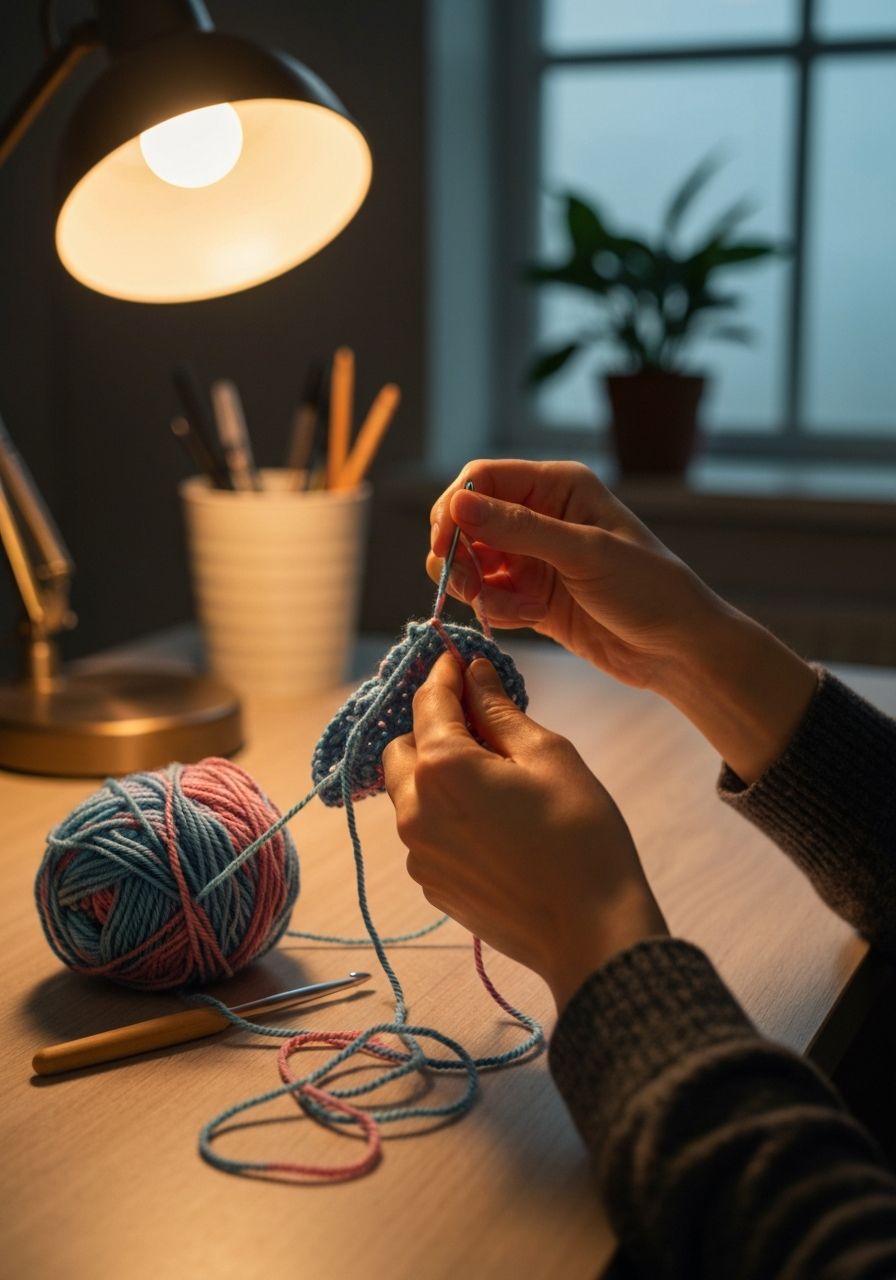
Imagine the joy of seeing your unique creations come to life, not just on your hook, but in the hands of countless other makers around the world. Picture a community united by the stitches you’ve meticulously planned, creating beautiful items from your very own vision. This incredible journey begins with mastering crochet pattern writing – the art of translating your creative ideas into clear, understandable instructions that anyone can follow. It's a skill that elevates your craft, transforming you from a follower of patterns into a true designer, and it's far more accessible than you might think!
As an experienced designer and fellow crochet enthusiast, I'm thrilled to guide you through the exciting world of crafting your own crochet patterns. Whether you dream of sharing a simple dishcloth, an intricate amigurumi, or a stunning wearable, this guide will equip you with the fundamental knowledge and practical steps to confidently write your very first pattern. Get ready to turn your imaginative stitches into a legacy of creativity!
Why It Matters
Why bother writing your own patterns when there are so many fantastic free and paid options available? The reasons are as varied and vibrant as a skein of variegated yarn! Firstly, it allows you to truly express your unique artistic voice. You’re no longer limited by what others have designed; you can bring your exact vision to life. Secondly, it provides an immense sense of accomplishment and pride. There’s nothing quite like seeing someone else create something beautiful from your instructions. Thirdly, for many, it can evolve into a fulfilling side hustle or even a full-time career, allowing you to monetize your passion. Finally, and perhaps most importantly, writing patterns helps you understand the construction of crochet projects on a deeper level, making you a more skilled and versatile crocheter overall.
What You Need to Know
Before diving into the nitty-gritty of pattern writing, it's crucial to understand the foundational elements that make a pattern clear and effective. Think of these as your basic stitch library for design:
-
Standard Crochet Terminology: Patterns rely on universally accepted abbreviations for stitches (e.g., sc, dc, hdc, ch, sl st, inc, dec) and techniques (e.g., FO for Fasten Off). You need to be fluent in these, both for writing and reading. Consistency is key.
-
Pattern Structure: A well-organized pattern typically includes sections like Materials, Abbreviations, Gauge, Notes, and the actual Pattern Instructions. Understanding this flow helps ensure you don't miss crucial information.
-
Gauge: This is arguably the most important element for consistency. Gauge tells the crocheter how many stitches and rows/rounds they should have in a specific measurement (e.g., 4” x 4” square). It ensures their finished object matches your intended size and yarn usage. Even for amigurumi, gauge consistency is vital for proper shaping.
-
Stitch Counts: Every round or row should end with a clear stitch count in parentheses (e.g., 24 sc). This helps crocheters track their progress and identify mistakes early.
-
Clarity and Conciseness: Your instructions need to be unambiguous. Avoid jargon where possible, and when using it, ensure it's defined. Get straight to the point without unnecessary words.
Your First Pattern: A Step-by-Step Guide
Let's walk through the process of creating a simple pattern. For this example, we’ll design a small, basic crochet sphere – perfect for amigurumi beginners or as a base for other creations.
1. The Idea & Brainstorming
Every pattern starts with an idea. For our sphere, the idea is simple: a perfect, small ball. Think about:
- Purpose: Is it a toy, an ornament, a component for something larger?
- Size: How big do you want it to be? This will influence your hook size and yarn weight.
- Key Features: For a sphere, it's about smooth increases and decreases.
2. The Swatch & Notes
Before writing, you need to crochet the item yourself, meticulously taking notes. This is where the magic happens!
- Choose Your Materials: For a small sphere, let's use worsted weight yarn (e.g., acrylic) and a 4.0mm (G-6) crochet hook. Grab a stitch marker, tapestry needle, and some polyfill stuffing.
- Start Crocheting and Document Everything: As you work, write down every single stitch, round, and technique. Note down any challenges, changes, or special instructions.
- Measure Your Gauge: For a sphere, gauge isn't as critical as for a garment, but note your general tension. For instance, after a few rounds, you might note: “Rounds 1-3 measure approximately 1.5 inches in diameter.” This helps others achieve a similar size.
3. Writing the Instructions
Now, translate your notes into a formal pattern. Here's how you'd write the pattern for our simple sphere:
Pattern Title: Simple Amigurumi Sphere
Skill Level: Beginner
Finished Size: Approximately 2.5 inches (6.5 cm) in diameter
Materials:
- Worsted weight yarn (e.g., acrylic), approximately 25 yards
- 4.0mm (G-6) crochet hook
- Stitch marker
- Tapestry needle
- Polyfill stuffing
Abbreviations (US Terms):
- ch – chain
- sc – single crochet
- inc – increase (2 sc in next stitch)
- dec – decrease (sc2tog – single crochet 2 together)
- sl st – slip stitch
- MR – Magic Ring
- * to * – repeat instructions between asterisks
- ( ) – stitch count at end of round
Gauge: 6 sc and 6 rounds = 1.5 inches (4 cm)
Notes:
- This pattern is worked in continuous rounds. Use a stitch marker to mark the first stitch of each round.
- Stuff firmly as you go.
Pattern Instructions:
- MR 6 sc. (6 sc)
- *Inc* around. (12 sc)
- *Sc, inc* around. (18 sc)
- *Sc in next 2 stitches, inc* around. (24 sc)
- Sc in each stitch around. (24 sc)
- Sc in each stitch around. (24 sc)
- *Sc in next 2 stitches, dec* around. (18 sc)
- *Sc, dec* around. (12 sc)
- Stuff firmly.
- *Dec* around. (6 sc)
- Fasten off, leaving a long tail. Weave the tail through the front loop of the remaining 6 stitches and pull tight to close. Weave in ends.
4. Testing & Refinement
Once written, the pattern is NOT finished! You need to test it thoroughly. Crochet it again yourself, following only your written instructions. Did you miss anything? Are there any confusing spots? Then, ideally, have a few other crocheters (pattern testers) try it out. They'll catch mistakes, clarify ambiguities, and provide invaluable feedback from a fresh perspective.
Common Mistakes to Avoid
-
Missing Gauge Information: Without gauge, others won't be able to replicate your finished size accurately.
-
Inconsistent Terminology: Stick to either US or UK terms throughout, and use standard abbreviations.
-
Incorrect Stitch Counts: Double-check every single round/row for accurate stitch counts. This is a common source of frustration for users.
-
Ambiguous Wording: Phrases like “work a few stitches” or “attach yarn here” without clear guidance are problematic. Be specific.
-
Not Including Crucial Details: Forgetting hook size, yarn weight, yardage, or special finishing instructions.
-
Skipping Pattern Testing: Your own eyes can miss errors. Other crocheters are essential for a polished pattern.
Pro Tips for Aspiring Designers
-
Keep a Design Journal: Jot down ideas, stitch combinations, yarn swatches, and potential project concepts. Inspiration strikes everywhere!
-
Learn from Others: Analyze patterns you love. What makes them clear and enjoyable to follow? What elements can you adapt to your own writing style?
-
Master Photography: Clear, well-lit photos are vital. They help sell your pattern and clarify tricky steps. You don't need fancy equipment, just good lighting and a steady hand.
-
Embrace Technology: Use word processors (like Google Docs or Microsoft Word) to format your patterns professionally. Consider using charting software for visual learners.
-
Start Simple: Don't try to design a complicated lace shawl for your first pattern. Begin with small, manageable projects like coasters, simple dishcloths, or basic amigurumi shapes.
-
Be Patient and Persistent: Pattern writing takes practice. There will be frustrating moments, but each pattern you write refines your skills.
Crochet Pattern Writing FAQ
How do I choose the right yarn and hook for my pattern?
Start with the intended finished item. For garments, you’ll need specific drape and feel, dictating yarn weight. For toys, a durable, non-pilling yarn is best. Once you have a yarn in mind, check the label for recommended hook sizes. Then, make a swatch! Experiment with hook sizes (usually one size up or down from the label's recommendation) until you achieve the desired fabric density and gauge for your project. A tighter fabric is often preferred for amigurumi to prevent stuffing from showing through.
What's the best way to get my pattern tested?
There are several great ways! You can ask friends who crochet, join online crochet groups on platforms like Facebook or Ravelry that have dedicated pattern testing forums, or even reach out to designers you admire for advice on their testing process. When seeking testers, provide clear expectations regarding deadlines, communication, and what kind of feedback you need (e.g., errors, clarity, fit/size). Always be respectful of your testers' time and offer them a free copy of the finished pattern as a thank you.
Should I include photos in my pattern?
Absolutely! High-quality photos are incredibly helpful. Include a clear photo of the finished item, and consider adding process photos for tricky steps (like joining new yarn, specific stitches, or assembly details). Photos not only make your pattern more appealing but also significantly reduce confusion for the crocheter, especially for visual learners. Ensure your photos are well-lit, in focus, and clearly illustrate the intended step or detail.
Congratulations, you’re now equipped with the essential knowledge to embark on your own crochet pattern writing adventure! Remember, every expert was once a beginner. Start small, take meticulous notes, test diligently, and don't be afraid to let your unique creativity shine through every stitch. The crochet community is waiting to be inspired by your designs. Happy hooking, and even happier designing!