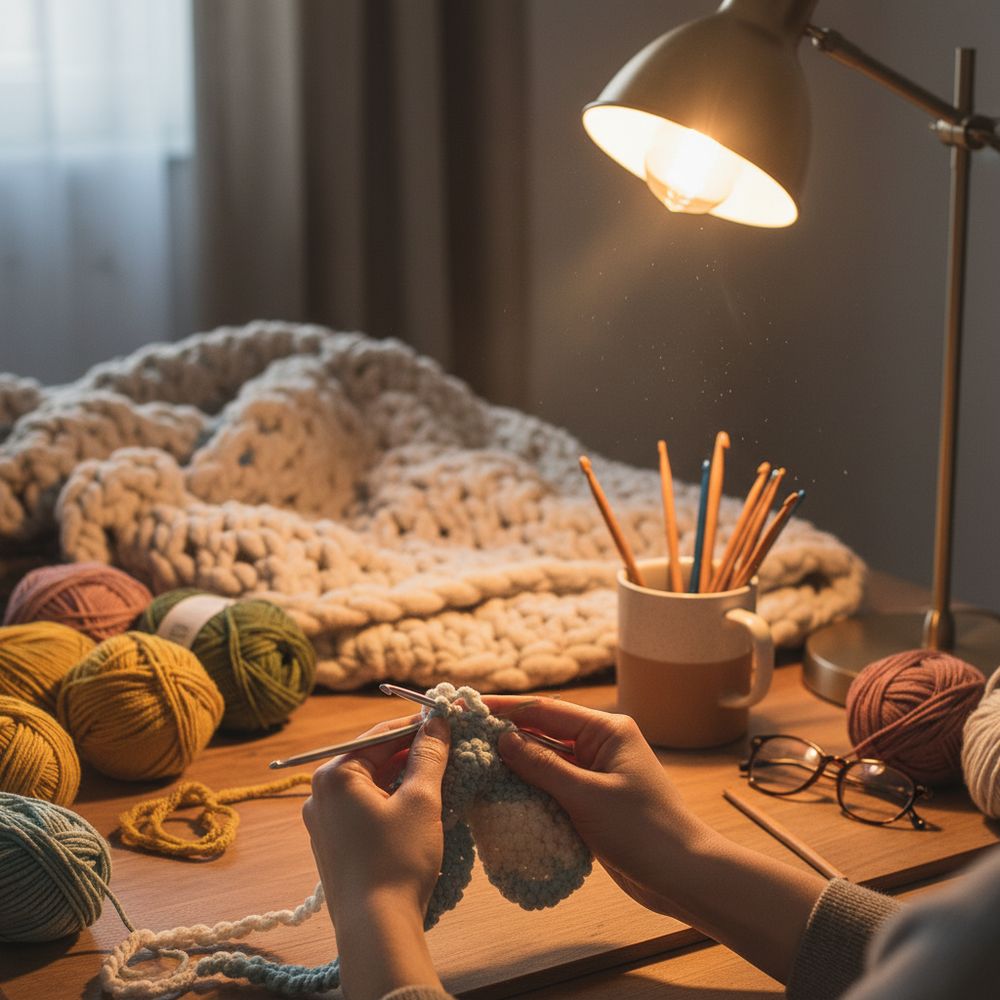
Imagine the gentle rhythm of yarn flowing through your fingers, transforming into beautiful stitches, a cozy blanket, or a cherished gift. That feeling of effortless creation, where every loop slides perfectly, isn't just magic – it's often thanks to choosing the right tool for the job. For beginners and seasoned crocheters alike, understanding crochet hook materials is the secret ingredient to unlocking comfort, speed, and pure joy in your crafting journey. Don't let hand fatigue or sticky stitches stand between you and your next masterpiece; let's discover how the humble hook can revolutionize your crochet experience!
Welcome, fellow yarn enthusiasts! As you embark on or continue your crochet adventure, you'll quickly realize that not all crochet hooks are created equal. Beyond size, the material your hook is made from plays a crucial role in how it feels in your hand, how the yarn glides, and ultimately, how much you enjoy your time creating. This comprehensive guide will walk you through the fascinating world of crochet hook materials, helping you make informed choices that will elevate your craft from the very first stitch.
Why It Matters
Choosing the right hook material might seem like a minor detail, but its impact on your crochet experience is profound. Here’s why it’s worth paying attention:
- Comfort & Hand Fatigue: Different materials have varying weights, temperatures, and textures. A hook that feels uncomfortable or causes friction can lead to hand cramps, wrist pain, and overall fatigue, cutting your crafting sessions short.
- Stitch Definition & Glide: The way yarn slides (or doesn't slide) across your hook directly affects your tension and the evenness of your stitches. Some materials are incredibly slick, perfect for speedy work, while others offer more grip, ideal for slippery yarns or intricate designs.
- Project Success & Enjoyment: When your hook works in harmony with your yarn and your hands, crocheting becomes a truly meditative and enjoyable process. Frustration with a poorly chosen hook can dampen enthusiasm, while the right hook can make even complex patterns feel manageable.
What You Need to Know
Before diving into specific materials, let's cover some foundational knowledge about crochet hooks:
- Basic Hook Anatomy: Every hook has a head (the part that catches the yarn), a throat (the tapered section), a shaft (the straight part where your stitches rest), a thumb rest (for grip), and a handle. The material can vary across these parts, especially with ergonomic designs.
- Hook Sizing: Hooks are sized using both letters (US system) and numbers (metric system). For example, a US G hook is typically a 4.0 mm hook. It's essential to match your hook size to your yarn weight and pattern instructions to achieve the correct gauge.
- Yarn & Hook Pairing: While patterns recommend a hook size, the material can further refine this pairing. A sticky yarn might benefit from a slicker hook, while a very smooth yarn might need a hook with a bit more grip to prevent stitches from sliding off too easily.
Exploring Different Hook Materials
Let's take a closer look at the most common crochet hook materials, their characteristics, and how they perform in action.
Aluminum Hooks
Aluminum hooks are perhaps the most ubiquitous and often the first type many beginners encounter. They are lightweight, smooth, and typically very affordable.
- Pros: Excellent glide, durable, lightweight, wide range of sizes, inexpensive, readily available.
- Cons: Can feel cold in the hand, some find them too slick for very loose tension or slippery yarns.
- Best For: Most yarn types, general projects, quick crocheting.
- Crochet Experience: Try creating a basic single crochet swatch. Start with a magic ring, ch 1, then work 8 sc into the ring. Sl st to join. Notice how the yarn flows effortlessly over the smooth aluminum as you pull up loops and complete your stitches. This slickness helps maintain an even tension and allows for speed.
Plastic Hooks
Plastic hooks are another popular choice, especially for larger sizes, as they remain incredibly lightweight despite their bulk. They are warm to the touch and typically very inexpensive.
- Pros: Very lightweight (great for large hooks), warm in hand, affordable, often brightly colored, good for chunky yarns.
- Cons: Can feel less sturdy than metal, may have more friction than aluminum, prone to bending or breaking in smaller sizes.
- Best For: Bulky and super bulky yarns, large projects (blankets, rugs), travel (lightweight).
- Crochet Experience: Grab a bulky yarn and a large plastic hook (e.g., a P/11.5mm). Ch 10, then work dc into the 3rd chain from the hook and across (8 dc). Ch 2, turn, and work dc in each stitch across. You'll appreciate how the hook's lightness prevents arm fatigue even with heavy yarn, allowing you to create substantial fabric easily.
Wood & Bamboo Hooks
Wooden and bamboo hooks offer a unique tactile experience. They are warm, lightweight, and have a natural feel. Bamboo, in particular, has a slight flexibility.
- Pros: Warm to the touch, lightweight, aesthetically pleasing, offers more grip for slippery yarns, environmentally friendly (bamboo).
- Cons: Can be more expensive, less glide (can be slower for some), potential for splintering (rare but possible), limited very small sizes.
- Best For: Slippery yarns (silk, rayon), textured stitches, those who prefer a natural feel.
- Crochet Experience: Use a wooden hook with a slightly textured yarn, perhaps making a half-double crochet swatch. Ch 12, then hdc into the 2nd chain from the hook and across (11 hdc). Ch 2, turn, and work hdc in each stitch across for 2 more rows. The wood's gentle grip helps control the yarn, preventing stitches from slipping off the hook prematurely, which is great for maintaining consistent tension on more textured stitches.
Steel Hooks (Lace Hooks)
Steel hooks are primarily used for very fine threads and lace work. They are strong, precise, and come in tiny sizes.
- Pros: Extremely strong and durable, perfect for fine work, incredible precision, doesn't bend.
- Cons: Only available in very small sizes, can be cold and hard in hand, less common for beginners.
- Best For: Lace, doilies, thread crochet, amigurumi with fine yarn.
- Crochet Experience: For delicate work, try a tiny steel hook to create a small ring. Ch 5, sl st to the first chain to form a ring. Ch 1, work 10 sc into the ring. Sl st to join. The steel hook’s slender tip and strength allow you to pick up individual strands of fine thread and maneuver through tight spaces with unparalleled accuracy, crucial for intricate details and precise inc/dec stitches.
Ergonomic & Hybrid Hooks
Ergonomic hooks combine different materials, often a metal hook head with a comfort-grip handle made from rubber, silicone, or plastic. They are designed to reduce hand strain.
- Pros: Superior comfort, reduces hand fatigue and pain, excellent grip, often combine the best features of different materials (e.g., aluminum head for glide, soft handle for comfort).
- Cons: Can be more expensive, bulkier, some find the handle too large.
- Best For: Crocheters with arthritis or hand pain, long crafting sessions, anyone prioritizing comfort.
- Crochet Experience: While the material of the hook shaft and head might be aluminum or steel, the ergonomic handle dramatically changes the experience. Imagine working on a long scarf project, alternating sc and dc stitches for texture. The soft, padded handle of an ergonomic hook minimizes pressure points and provides a secure, comfortable grip, allowing you to crochet for extended periods without discomfort.
Common Mistakes to Avoid
- Ignoring Material Altogether: Don't just focus on hook size. The material is equally important for comfort and stitch quality.
- Buying a Full Set Blindly: While sets are convenient, try a single hook of different materials and brands first to find what you like.
- Using a 'Sticky' Hook with 'Sticky' Yarn: A wooden hook with a woolly, grabby yarn can be slow and frustrating. Opt for a smoother material instead.
- Not Listening to Your Hands: If your hand hurts, it's a sign that your hook material or grip might not be ideal. Don't push through the pain.
Pro Tips
- Experiment: The best way to find your preferred hook material is to try them all! Ask friends if you can try theirs, or buy a single hook of different materials in your most used size.
- Consider Yarn Type: Match your hook's glide/grip to your yarn. Slick yarn (silk, mercerized cotton) might benefit from a wood/bamboo hook, while grabby yarn (wool, acrylic) might pair better with aluminum or plastic.
- Invest in Comfort: If you love to crochet, spending a little more on an ergonomic hook can make a huge difference in long-term enjoyment and prevent hand strain.
- Clean Your Hooks: Over time, oils from your hands can build up on hooks. A quick wipe with a damp cloth can restore their original glide.
FAQ
Which hook material is best for beginners?
Many beginners find aluminum hooks to be excellent due to their smooth glide, durability, and affordability. Smooth plastic hooks are also a great option, especially for larger sizes, as they are lightweight and warm.
Can I use any hook material with any yarn?
While you certainly can, some combinations will be more enjoyable and efficient than others. For example, a very smooth, slippery yarn on an aluminum hook might be too fast and lead to dropped stitches, whereas a wooden hook might offer better control. Conversely, a grabby wool on a bamboo hook could be frustratingly slow.
How do I know if I need an ergonomic hook?
If you experience any hand fatigue, wrist pain, finger cramps, or discomfort during or after crocheting, an ergonomic hook is definitely worth trying. They are designed to alleviate strain and make long crafting sessions more comfortable.
The world of crochet hooks is wonderfully diverse, and finding your perfect match is part of the exciting journey. By understanding the unique properties of different crochet hook materials, you're not just choosing a tool; you're enhancing your comfort, improving your stitches, and deepening your connection to this beautiful craft. So go forth, experiment, and find the hook that feels like an extension of your own creativity. Happy crocheting!