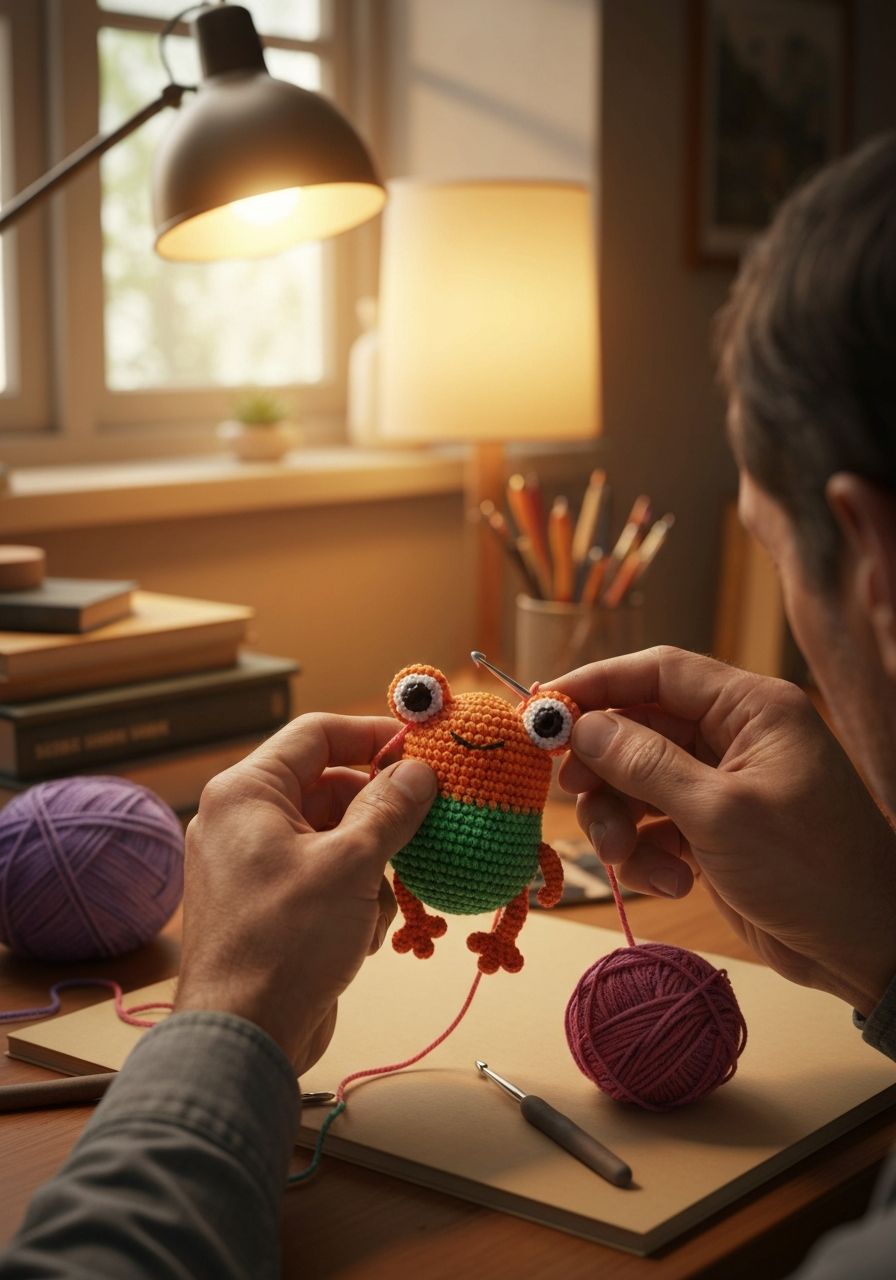
Imagine this: you've been working on a gorgeous crochet project for hours, your hook flying, yarn gliding through your fingers, when suddenly – disaster! A missed stitch, a forgotten color change, or a tension wobble throws your perfect piece off course. Your heart sinks, and you feel a wave of frustration. But what if I told you there's a secret superpower every crocheter possesses, a simple technique that turns those dreaded mistakes into mere detours on your creative journey? That superpower is called crochet frogging, and mastering it will unlock a world of confidence, creativity, and pure joy in your craft. Get ready to banish fear and embrace the magic of unraveling your way to perfection!
Welcome, fellow yarn enthusiasts, to the essential beginner's guide to frogging – the art of unraveling your crochet work. While it might sound daunting at first, learning to frog is as fundamental as mastering a single crochet stitch. It's not about failure; it's about control, learning, and the freedom to experiment without fear of permanent mistakes. By the end of this article, you'll view frogging not as a setback, but as a valuable tool in your crochet toolkit, empowering you to tackle any project with newfound confidence.
Why It Matters
Frogging is more than just undoing stitches; it's a vital skill that underpins your entire crochet journey. Here's why it's so incredibly important, especially for beginners:
- Mistakes Are Inevitable: Every single crocheter, from absolute beginner to seasoned expert, makes mistakes. It's part of the human experience and the learning process. Knowing how to fix them gracefully prevents projects from ending up in the dreaded "UFO" (UnFinished Object) pile.
- Learning Opportunity: Frogging allows you to closely examine your stitches, understand where you went wrong, and learn how to correct it. This hands-on experience deepens your understanding of stitch anatomy and tension.
- Saving Time and Yarn: Instead of cutting your yarn and starting over (which wastes precious yarn and creates more ends to weave in), frogging allows you to reuse your yarn and pick up exactly where you need to make the correction.
- Building Confidence: The fear of making a mistake can be paralyzing. When you know you can easily undo an error, you'll feel more empowered to try new stitches, techniques, and tackle more complex patterns. This confidence is crucial for growth in any craft.
- Achieving Desired Results: Sometimes a project just isn't looking right – tension is off, the sizing is wrong, or you simply don't like the look. Frogging gives you the power to adjust, refine, and create a finished item you truly love.
What You Need to Know
Before we dive into the how-to, let's cover some essential groundwork about what frogging is and why it has such a peculiar name.
- What is Frogging? In crochet, "frogging" refers to the act of unraveling your work. You pull the working yarn until stitches come undone, typically one by one or in small sections, until you reach the point where you want to correct an error or make a change.
- Why is it Called "Frogging"? The term comes from the sound a frog makes: "ribbit, ribbit." When you unravel crochet, you "rip it, rip it" out! It's a playful term that helps lighten the mood around what can sometimes feel like a frustrating task.
- When to Frog:
- You've made a visible mistake (missed stitch, extra stitch, wrong stitch type).
- Your tension is inconsistent, leading to an uneven fabric.
- The pattern isn't working out as expected, or you want to make a design modification.
- Your stitch count is off for a particular row or round.
- You simply don't like how a section looks.
- Tools Needed: Surprisingly few! Your hands are your primary tools. A stitch marker can be incredibly helpful for marking your "safe zone" before you start unraveling. Of course, your crochet hook will be needed to re-insert into your work once you've frogged back to the correct point.
- Yarn Types and Frogging Characteristics:
- Smooth Yarns (Cotton, Acrylic, Superwash Wool): These are generally the easiest to frog. Stitches slide apart cleanly, and the yarn retains its shape well.
- Fuzzy Yarns (Mohair, Alpaca, Brushed Acrylic): These can be more challenging. The "halo" of fibers can intertwine, causing stitches to stick together. You might need to gently tease them apart. Repeated frogging can also make these yarns even fuzzier or felt them slightly.
- Novelty Yarns (Eyelash, Boucle): These are notoriously difficult to frog because their unique textures can cause stitches to get tangled or lost. It's often best to avoid frogging these extensively if possible, or proceed with extreme care.
- Splitty Yarns: Some plied yarns are prone to splitting when you insert your hook. They can also split when frogging, so go gently to avoid damaging the individual plies.
How to "Frog" Your Crochet Work (Step-by-Step)
Let's walk through the process using a simple single crochet swatch. Imagine you're making a small coaster:
Example Project Setup (to be frogged):
- Chain (ch) 11.
- Row 1: Single crochet (sc) in the 2nd ch from the hook and in each ch across. (10 sc)
- Row 2: Ch 1, turn. Sc in each st across. (10 sc)
- Row 3: Ch 1, turn. Sc in the first 8 stitches, then accidentally skip a stitch and sc in the last stitch. (9 sc - this is our "mistake")
- Row 4: Ch 1, turn. Sc in each st across. (9 sc - the mistake from Row 3 propagates!)
Now, let's fix that mistake!
1. Identify the Mistake
Look closely at your work. You've noticed your stitch count is off, or perhaps the fabric is narrowing. In our example, Row 3 should have 10 sc, but you only have 9. The mistake happened in Row 3, causing Row 4 to also have 9 stitches.
2. Choose Your Frogging Point
You need to unravel back to before the mistake occurred. In our example, the mistake started in Row 3. This means you'll need to unravel all of Row 4 and then all of Row 3. The last correct stitch is the very last single crochet of Row 2. It's a good idea to insert a stitch marker into the live loop on your hook right now, just to be safe.
3. The Gentle Unravel (The "Frog" Action)
With your active loop secured (or still on your hook if you're confident), gently pull on your working yarn. You'll see the stitch currently on your hook come undone, then the previous one, and so on. Continue pulling the working yarn steadily. The stitches will unravel one by one, or sometimes in small groups. For our example, pull the yarn until all of Row 4 and then all of Row 3 have unraveled. Stop when you see the loops of your last correct row (Row 2) clearly formed.
4. Re-inserting Your Hook
This is the crucial step. You've frogged back to the end of Row 2, which has 10 single crochet stitches. You need to re-insert your hook into the active loop of the last stitch of Row 2 that you want to keep. Look for the top two loops of that stitch. Make sure your hook is inserted correctly from front to back, and that the loop isn't twisted. If you had a stitch marker in your active loop, remove it and place your hook into the loop. If not, carefully identify the loop that was the last completed stitch of Row 2 before the mistake row began. It should be the loop that the working yarn is coming out of.
5. Continue Crocheting
Once your hook is correctly re-inserted into the last good stitch, you can chain 1, turn, and start crocheting Row 3 again, this time making sure to place 10 sc across. Problem solved!
Common Mistakes to Avoid
Even frogging has its pitfalls. Be aware of these common errors to make your unraveling experience smoother:
- Pulling Too Hard/Fast: While it's tempting to rip with abandon, yanking too hard can tangle your yarn, especially with delicate or fuzzy fibers. It can also stretch or damage the yarn. Gentle, steady pulls are best.
- Not Securing the Active Loop: If you pull your hook out and don't secure the active loop, you risk losing it. This can cause the work to unravel further than intended, or make it difficult to find the correct loop again. Always put a stitch marker in the loop if you need to set your work down.
- Frogging Too Far: It's easy to get carried away and unravel more than you needed to. Always identify your precise frogging point and aim to stop just before the first good stitch you want to keep.
- Not Re-inserting Hook Correctly: If you re-insert your hook into the wrong loop or with a twisted stitch, your next row will look off, and you'll have to frog again. Take your time to find the correct loops.
- Getting Frustrated: Frogging can be annoying, but try to reframe it as a learning opportunity. Frustration can lead to mistakes or carelessness. Take a deep breath, walk away for a moment, and come back with fresh eyes.
Pro Tips for Painless Frogging
Elevate your frogging game with these expert suggestions:
- Use a Stitch Marker (Always!): Before you even begin to unravel, place a stitch marker into the active loop on your hook. This ensures you won't lose your place and can easily pick up where you left off.
- Mark Your "Safe Zone": If you need to frog back several rows, consider placing another stitch marker into the last correct stitch of the row you intend to keep. This gives you a clear stopping point.
- Work in Good Light: Good lighting is crucial for seeing individual stitches clearly, especially when trying to identify where to re-insert your hook.
- Take Breaks: If you're frogging a large section or feel frustration bubbling up, step away. A short break can clear your head and prevent further errors.
- Embrace the Process: Change your mindset. Frogging isn't a failure; it's an essential part of the design and creation process. Every time you frog, you're getting closer to your perfect finished object.
- Practice on Scrap Yarn: If you're nervous, grab some scrap yarn and practice crocheting a small swatch, deliberately making a mistake, and then frogging it. This builds muscle memory and confidence without risking a real project.
- Know Your Yarn: As mentioned, different yarns behave differently. With fuzzy yarns, try frogging slowly and gently, perhaps even rolling the yarn backwards on your hook to help loosen stubborn fibers.
Frogging FAQ
Q: Will frogging damage my yarn?
A: Generally, no. Most smooth yarns (like cotton or acrylic) can be frogged multiple times without significant damage. However, repeated frogging, especially with fuzzy, delicate, or novelty yarns, can sometimes lead to slight fuzziness, stretching, or weakening of the yarn fibers. Always handle your yarn gently.
Q: How do I know exactly where to stop frogging?
A: The golden rule is to stop one stitch *before* the first correct stitch you want to keep. If you place a stitch marker in that last good stitch, you'll have a clear visual cue. You want to be able to re-insert your hook into the active loop of that stitch and continue from there.
Q: Is it ever okay to just cut my yarn and restart?
A: While frogging is almost always the preferred method to save yarn and avoid extra ends, there are rare occasions where cutting might seem easier, such as with extremely tangled or novelty yarns that are impossible to unravel. However, be aware that cutting means you lose that length of yarn and will have an extra end to weave in when you rejoin. Frogging is generally the more efficient and yarn-friendly solution.
And there you have it! The definitive beginner's guide to crochet frogging. No longer a dreaded word, but a powerful technique that will empower your crochet journey. Remember, every stitch you make, and every stitch you unravel, is a step in your learning process. Embrace your mistakes as opportunities to grow, and let the freedom of frogging inspire you to take on new challenges and create beautiful, flawless pieces you'll be proud to show off. Happy crocheting (and confident frogging)!