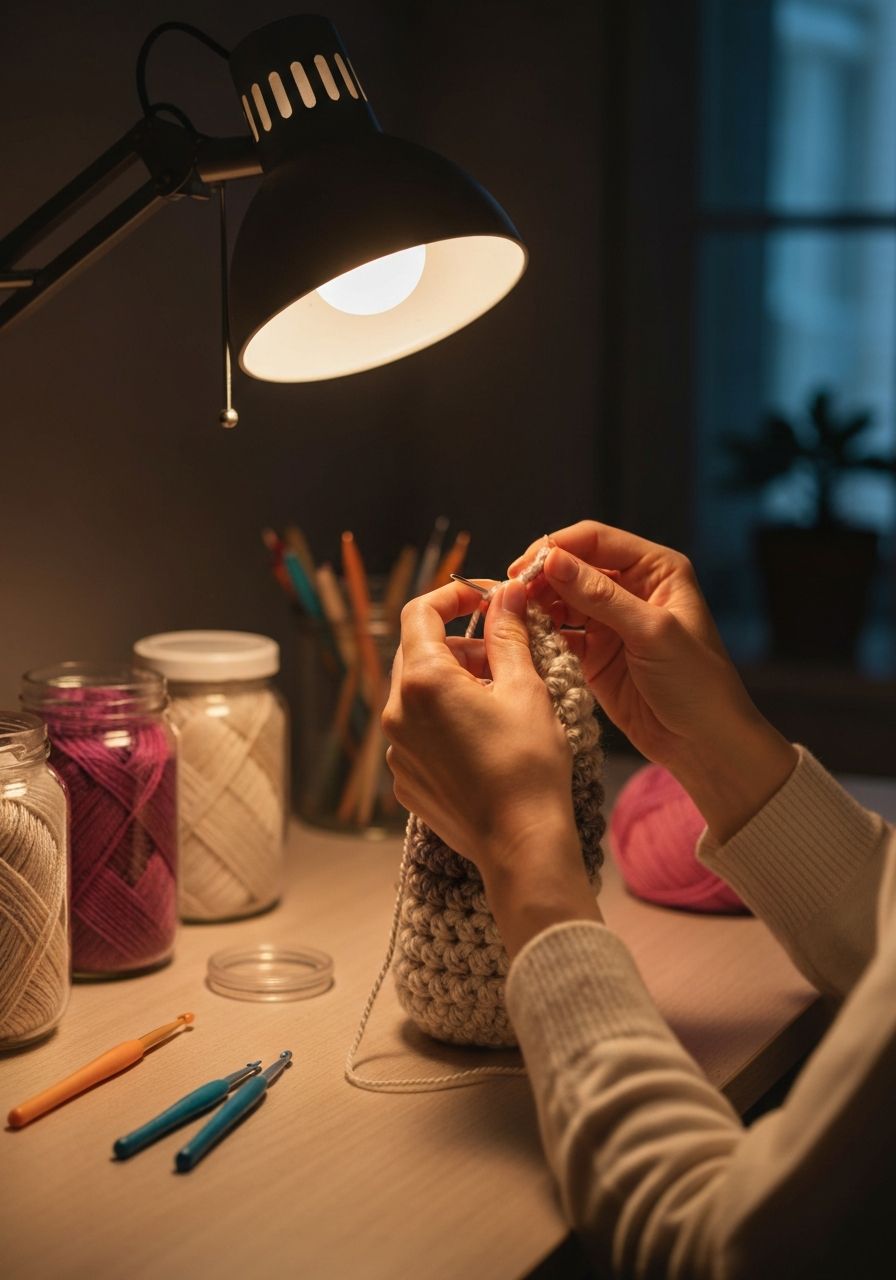
Imagine the cozy warmth of a handmade blanket wrapping around you on a chilly evening, or the sheer delight of gifting a meticulously crafted amigurumi toy. The magic of crochet lies not just in the stitches we create, but in the very essence of the material we choose. Picking the right yarn is like selecting the perfect ingredients for a gourmet meal – it transforms your project from good to absolutely extraordinary. Dive into the wonderful world of crochet fiber types, and unlock the secret to crafting with confidence, knowing your creations will be exactly what you envisioned and loved for years to come!
Why It Matters
As a beginner crocheter, you might think yarn is just, well, yarn. But nothing could be further from the truth! The fiber content of your yarn profoundly impacts every aspect of your finished project. Think of it: would you want a scratchy blanket or a stiff, unyielding scarf? Your fiber choice dictates the drape, warmth, durability, texture, and even the washability of your crochet piece. It affects how your stitches look – a clean single crochet (sc) in cotton will have a very different appearance and feel than the same stitch in a fuzzy mohair blend. Understanding these differences is crucial for matching the right yarn to your vision, ensuring your efforts result in a beloved, functional, and beautiful handmade item.
For instance, if you're making a dishcloth, you'll want something absorbent and durable, like cotton. For a warm winter hat, wool's insulating properties are ideal. An amigurumi toy needs a fiber that holds its shape well, like acrylic or a cotton blend, to keep those increasing (inc) and decreasing (dec) stitches looking crisp. Neglecting fiber types can lead to disappointment – a blanket that pills instantly, a garment that loses its shape after washing, or a toy that isn't robust enough for playtime. By learning about fiber, you're not just choosing yarn; you're choosing the future of your crochet projects.
What You Need to Know
Before diving into specific fiber types, let's cover some foundational knowledge. When you look at a ball of yarn, always check the label! It's a treasure trove of information. You'll find:
- Fiber Content: This tells you what the yarn is made of (e.g., 100% Acrylic, 50% Cotton/50% Bamboo).
- Yarn Weight: Often indicated by a number (0-7) and a corresponding symbol, this tells you the thickness of the yarn (e.g., Worsted Weight/Aran, typically a "4").
- Recommended Hook Size: A suggestion from the manufacturer, though your personal tension may vary.
- Dye Lot: Crucial for ensuring color consistency if you need multiple skeins for a project.
- Care Instructions: How to wash and dry your finished item without ruining it.
While yarn weight dictates how many stitches you'll make per inch and impacts the overall size of your project, the fiber content will dictate how those stitches behave. A worsted weight acrylic will behave differently than a worsted weight wool, even with the same hook size. Learning to read these labels is your first step to becoming a fiber-savvy crocheter.
Breaking Down the Fibers
Fibers broadly fall into three categories: natural, synthetic, and blends. Each has unique characteristics that make it suitable for different projects.
Natural Fibers
These come from plants or animals and are often prized for their breathability, unique textures, and natural feel.
-
Wool: Derived from sheep, wool is a classic for a reason. It's incredibly warm, resilient, elastic, and has excellent memory (meaning it bounces back into shape). It's also moisture-wicking and can be felted. However, some wools can be scratchy, and it often requires delicate washing. Think cozy blankets made with half double crochet (hdc) stitches for squishiness, or intricate cables where the stitch definition of wool truly shines.
-
Alpaca: Softer and warmer than wool, alpaca is known for its luxurious drape and lack of lanolin, making it hypoallergenic for many. It's less elastic than wool and often more expensive. Perfect for delicate shawls or garments where a beautiful drape from double crochet (dc) stitches is desired.
-
Cotton: A plant-based fiber, cotton is strong, durable, absorbent, and breathable. It has very little stretch or elasticity, which means it holds its shape well but can be harder on your hands to crochet with. It's machine washable and great for items that need to withstand wear and tear, like dishcloths (often made with simple sc or hdc stitches), bags, or summer garments. A magic ring worked in cotton creates a very sturdy start for amigurumi.
-
Linen: Also plant-based, linen is known for its strength, crisp feel, and beautiful drape over time. It's not very elastic and can feel stiff initially, but softens wonderfully with use and washing. It’s excellent for lightweight, breathable garments and home decor, where its unique texture and drape are valued.
-
Bamboo: Often processed into a rayon, bamboo yarn is incredibly soft, silky, and drapes beautifully. It's also breathable and has some antibacterial properties. It can be quite slippery to work with due to its smooth nature but results in luxurious, flowing fabrics, ideal for garments and baby items using stitches like chain (ch) and slip stitch (sl st) for delicate edgings.
Synthetic Fibers
Man-made fibers are often celebrated for their affordability, durability, and ease of care.
-
Acrylic: The most common synthetic yarn for beginners, acrylic is affordable, comes in a vast array of colors, is durable, and usually machine washable and dryable. It's warm, but not as breathable as natural fibers, and can sometimes feel "squeaky" or pill over time. It's fantastic for blankets (holding up well to repeated sc or dc rows), toys, and garments where easy care is paramount. It's forgiving for learning new stitches like increases and decreases.
-
Polyester: Very strong, durable, and resistant to shrinking and stretching. It's often used for novelty yarns, fluffy textures, or projects that need to be very tough, like bags or outdoor items. It's also popular for amigurumi due to its durability and ability to hold shape well.
-
Nylon: Extremely strong and elastic, nylon is rarely used on its own for crochet yarn but is a popular component in blends to add durability and stretch, especially in sock yarns or high-wear items.
Blends
Blended yarns combine two or more fiber types to harness the best qualities of each. For example, a wool-acrylic blend might offer the warmth and elasticity of wool with the affordability and easy care of acrylic. A cotton-bamboo blend provides the strength of cotton with the softness and drape of bamboo. Blends are a fantastic way to achieve specific characteristics for your projects without the drawbacks of a single fiber type.
Common Mistakes to Avoid
-
Ignoring the Yarn Label: This is your fiber's instruction manual. Always read it! It will save you headaches with washing, matching dye lots, and understanding fiber content.
-
Choosing Based on Color/Price Alone: While tempting, a beautiful color or a bargain price shouldn't be your only criteria. Consider the project's purpose first. That gorgeous silk might be perfect for a scarf, but terrible for a durable shopping bag.
-
Not Considering Project Use: Ask yourself: Who is this for? What will it be used for? How often will it be washed? A baby blanket needs to be soft and washable, so a superwash wool or acrylic is better than a delicate, hand-wash-only cashmere.
-
Skipping the Gauge Swatch: Fiber type significantly impacts your gauge. A single crochet stitch in a cotton yarn will create a different tension and size than the same stitch in an elastic wool. Always make a small swatch (e.g., a 4x4 inch square of sc or dc stitches) to test your hook size and tension with your chosen fiber.
-
Mixing Incompatible Fibers: While blending different fibers in a single project can be fun, be mindful of care instructions. If one fiber needs hand-washing and another is machine-washable, your finished item will only be as robust as its most delicate component.
Pro Tips
-
Swatch, Swatch, Swatch! I can't stress this enough. A small swatch (e.g., a 10-stitch by 10-row square of hdc) not only helps with gauge but also lets you feel how the fiber behaves and looks when crocheted. You can test washing and blocking on the swatch too!
-
Consider Drape and Structure: For garments that need to flow beautifully (like a shawl made with chain spaces and double crochet stitches), choose fibers with good drape like alpaca, bamboo, or silk. For items that need to hold their shape (like baskets or amigurumi starting with a magic ring and subsequent sc rounds), opt for cotton, acrylic, or polyester.
-
Yarn Substitution Savvy: If a pattern calls for a specific yarn you can't find, look for a substitute with the same yarn weight and, ideally, similar fiber properties. An acrylic for an acrylic is usually a safe bet. Substituting wool for cotton will drastically change the outcome.
-
Experiment and Explore: Don't be afraid to try new fibers! Grab a skein of something unfamiliar and make a small project like a coaster or a washcloth. This hands-on experience is the best teacher.
-
Hook Size and Fiber: Sometimes, a particular fiber might feel better with a different hook size than what's recommended on the label, especially if you want a looser or tighter fabric. For instance, a very "sticky" wool might benefit from a slightly larger hook than recommended for ease of pulling through your loops, while a slippery bamboo might need a smaller hook to keep stitches (like sl st to join rounds) from gapping.
Frequently Asked Questions
Which fiber is best for beginner crocheters?
For absolute beginners, 100% acrylic worsted weight yarn is often recommended. It's affordable, widely available, comes in many colors, and is forgiving to work with. It doesn't split easily and holds stitches well, making it ideal for practicing basic stitches like chain (ch), single crochet (sc), and double crochet (dc). Cotton is another excellent choice, especially for learning because it shows stitch definition very clearly, though it has less elasticity than acrylic.
Can I mix different fiber types in one crochet project?
Yes, you absolutely can! Mixing fibers can add interesting texture, color, and properties to your project. However, always be mindful of the care instructions. If you combine a hand-wash-only silk with a machine-washable acrylic, your finished item will need to be hand-washed. Consider how the different properties (e.g., elasticity, drape) will interact to ensure your project looks cohesive.
How do I know if a fiber will be good for amigurumi?
For amigurumi, you generally want a fiber that is durable, holds its shape well, and has good stitch definition to make those increasing (inc) and decreasing (dec) rounds crisp. Acrylic and cotton are excellent choices. Look for yarns that aren't too fuzzy, as fuzz can obscure stitch definition and details like embroidered eyes. A yarn that doesn't stretch excessively will also help your amigurumi maintain its shape when stuffed.
The world of crochet yarn is as rich and diverse as the projects you can create. Don't let the vast choices intimidate you; instead, embrace them as opportunities to expand your crafting horizons. By understanding the fundamentals of crochet fiber types, you're not just choosing material; you're making informed decisions that will elevate your craft, ensure your projects endure, and bring even more joy to your crocheting journey. So, grab a skein, experiment, and let your creativity flow – one perfect stitch at a time!