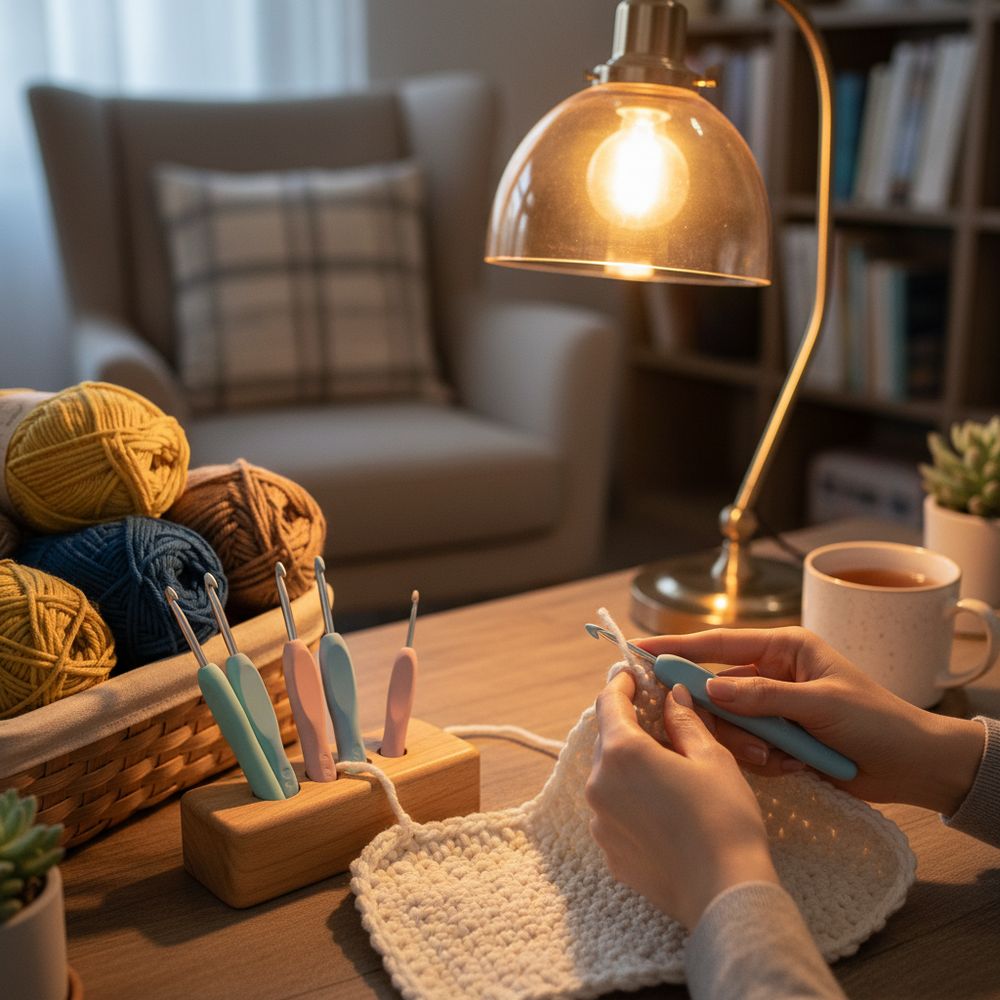
Imagine transforming soft yarn into beautiful creations for hours on end, without the familiar ache in your wrist or fingers. Picture yourself effortlessly gliding through stitches, your hands feeling relaxed and happy, even after finishing a complex amigurumi or a cozy blanket. This isn't a dream – it's the reality waiting for you when you discover the game-changing world of Crochet Ergonomic Hooks. Get ready to elevate your crafting experience from frustrating to unbelievably comfortable and joyful!
Welcome, fellow yarn enthusiasts! Whether you're just picking up your first hook or you've been crocheting for a little while, you know the magic that happens when yarn meets creativity. But sometimes, that magic comes with a side of discomfort – stiff fingers, aching wrists, or even shoulder pain. The good news? You don't have to suffer for your art! This comprehensive beginner's guide is dedicated to introducing you to the wonderful world of ergonomic crochet hooks, designed specifically to reduce strain, enhance comfort, and make your crafting sessions more enjoyable. Let's dive in and unlock a new level of crochet bliss!
Why It Matters: The Impact of Hook Choice on Your Body
When you're first learning to crochet, a basic aluminum or plastic hook feels perfectly fine. You're focused on mastering the chain stitch, single crochet (sc), and maybe a double crochet (dc). But as you progress and start tackling bigger projects or extended crafting sessions, you might notice your hands and wrists starting to complain. This isn't just a minor annoyance; it can lead to more serious issues like Carpal Tunnel Syndrome, tendonitis, or general repetitive strain injuries (RSIs). Your choice of hook plays a crucial role in preventing these problems.
Think about it: your hands are constantly gripping, turning, and manipulating yarn and hook. A poorly designed hook can force your hand into an unnatural, strained position for hours. Crochet ergonomic hooks are engineered to distribute pressure more evenly, support your natural hand posture, and reduce the effort required to make each stitch. This means less pain, more stamina, and ultimately, more time doing what you love. It allows you to make consistent stitches, from the tight grip needed for a magic ring to the relaxed tension for a half double crochet (hdc) blanket, without fighting your tools.
What You Need to Know: Understanding Ergonomic Hooks
So, what exactly makes a hook “ergonomic”? It's all about the handle. Unlike traditional hooks with thin, uniform handles, ergonomic hooks feature a specially shaped handle designed to fit comfortably in your hand. Here's a breakdown of the key characteristics:
- Handle Shape and Size: Ergonomic handles are often thicker and contoured to fit the natural curve of your palm. Some are bulbous, some are flattened, and others are specifically designed for different grip styles (knife grip vs. pencil grip). The increased girth reduces the need for a tight grip, easing strain on your fingers and thumb.
- Material: The handle material also contributes to comfort. You'll find ergonomic hooks with handles made from soft rubber, silicone, plastic, wood, or even resin. Each material offers a different feel – some are grippier, some are smoother, and some provide more cushioning. The hook shaft itself is typically metal (aluminum or steel) for smooth yarn glide, but can also be bamboo or plastic.
- Weight Distribution: Many ergonomic hooks are designed to have a balanced weight, preventing them from feeling top-heavy or bottom-heavy. This balance reduces fatigue during long crocheting sessions, whether you're working on delicate details with a slip stitch (sl st) or larger sections with a treble crochet.
- Yarn Glide: While not strictly part of the ergonomic handle, a smooth hook shaft and head are essential. An ergonomic handle won't do much good if the yarn constantly snags. Look for hooks with a polished finish that allows yarn to glide effortlessly.
Choosing Your Ergonomic Crochet Hook: A Breakdown
With so many options available, choosing your first ergonomic hook set can feel overwhelming. Don't worry, we'll break it down for you:
-
Identify Your Grip Style
How do you hold your crochet hook? There are two main grip styles:
- Pencil Grip: You hold the hook like a pen or pencil, resting it between your thumb and forefinger.
- Knife Grip: You hold the hook like a knife, with the handle resting in your palm and your thumb on top.
Some ergonomic hooks are better suited for one grip style over the other. For example, hooks with a flatter, wider thumb rest are often ideal for pencil grippers, while those with a more rounded, substantial handle might suit knife grippers better.
-
Consider Handle Material and Texture
This is largely a matter of personal preference. Different materials offer different tactile experiences:
- Soft Rubber/Silicone: These are very popular, offering excellent grip and cushioning. They tend to be warm to the touch and prevent slipping. Great for maintaining control when working intricate stitches like increases (inc) or decreases (dec).
- Plastic/Resin: Often lighter weight, these can be molded into many shapes. Some have a smooth, slick feel, while others might have a slightly textured finish for better grip.
- Wood/Bamboo: Known for their natural warmth and beauty, wooden handles can be very comfortable. They often have a smooth, polished feel.
-
Test Different Brands and Shapes
The best way to find your perfect hook is to try a few! If possible, visit a local yarn store and hold different ergonomic hooks in your hand. See how they feel, how they rest in your palm, and if they alleviate pressure points. Some popular brands known for their ergonomic designs include Clover Amour, Furls Crochet, Tulip Etimo, and Susan Bates Silvalume Soft-Touch. Each has a unique handle shape and feel.
-
Start with Your Most Used Hook Size
You don't need to buy a whole set right away. Start by purchasing an ergonomic hook in the size you use most frequently (e.g., a 5.0mm H hook is very common). This allows you to experience the benefits without a significant investment. As you love it, you can expand your collection.
Common Mistakes to Avoid When Starting with Ergonomic Hooks
- Expecting Instant Perfection: It might take a little time to adjust to a new hook, especially if you're used to a traditional one. Give yourself a few hours of crocheting before making a final judgment.
- Buying a Full Set Without Testing: As mentioned, personal preference is key. What one person loves, another might dislike. Test a single hook first.
- Ignoring Your Body's Signals: Even with ergonomic hooks, it's crucial to take breaks! Listen to your hands and wrists. Stretch regularly. Ergonomic tools aid, but don't eliminate, the need for mindful posture and breaks.
- Over-Gripping: The beauty of ergonomic hooks is that you don't need to grip them tightly. Consciously try to relax your grip. This is where the real comfort comes from, allowing you to create smooth, even stitches like the half double crochet (hdc) without strain.
Pro Tips for Ergonomic Crocheting
- Mind Your Posture: Even the best hook can't fix poor posture. Sit upright, with your feet flat on the floor, and keep your shoulders relaxed.
- Take Regular Breaks: Aim for 5-10 minute breaks every hour. Stand up, stretch your hands, wrists, arms, and shoulders. Do some gentle hand exercises like making fists and fanning your fingers.
- Vary Your Projects: Switching between projects that use different stitches and hook sizes can help prevent overuse of specific muscles. For example, alternate between a project requiring tight single crochet (sc) and one with looser double crochet (dc).
- Maintain Consistent Tension: While ergonomic hooks help, learning to maintain consistent tension without squeezing the hook or yarn too tightly is a skill that comes with practice and greatly reduces strain.
- Experiment with Yarn Weight: Sometimes, lighter yarn weights or different fiber types can also impact how your hands feel. Don't be afraid to try different combinations.
Frequently Asked Questions
Are ergonomic hooks only for people with pain?
Absolutely not! While they are fantastic for pain relief, crochet ergonomic hooks are also excellent for prevention. Using them from the start can help you avoid developing issues in the first place, ensuring a more comfortable and sustainable crochet journey.
Do ergonomic hooks affect stitch gauge?
The hook size (e.g., 5.0mm) determines your stitch gauge, not the handle. So, if you switch from a traditional 5.0mm hook to an ergonomic 5.0mm hook, your gauge should remain consistent. However, because you might be gripping less tightly, your tension could slightly relax, which might subtly affect gauge. Always do a swatch!
Are they more expensive than regular hooks?
Generally, yes, ergonomic hooks tend to be a bit more expensive than basic aluminum or plastic hooks. However, many crocheters find the investment well worth it for the enhanced comfort and ability to crochet for longer periods without pain. Think of it as investing in your long-term crafting health!
Embracing crochet ergonomic hooks is more than just choosing a tool; it's choosing comfort, sustainability, and joy for your beloved craft. By understanding what makes these hooks special and how to select the right one for you, you're setting yourself up for countless hours of pain-free creativity. So go ahead, give your hands the gift of an ergonomic hook, and prepare to fall in love with crocheting all over again!