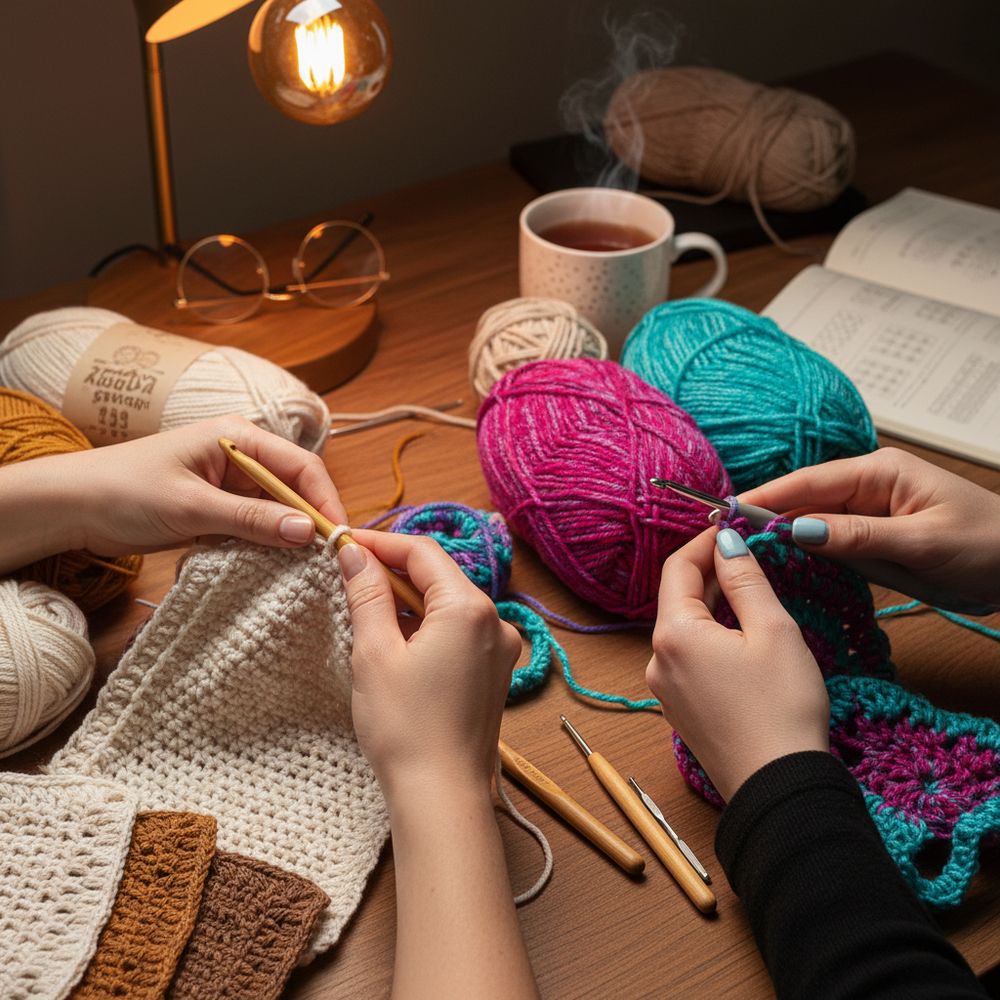
Imagine sinking into a handmade blanket, feeling the cool breathability of a summer top you crocheted yourself, or admiring a sturdy market bag that carries your groceries with ease. The magic of crochet isn't just in the stitches you master; it begins with the yarn you choose. For every aspiring hooker, one of the first, most fundamental decisions you’ll face is navigating the world of fibers, and none are more common, or more crucial to understand, than Crochet Cotton Vs Acrylic. Don't let the yarn aisle intimidate you; understanding these two powerhouses will unlock a world of possibilities and ensure your projects are not just beautiful, but perfectly suited for their purpose!
Why It Matters
Choosing the right yarn isn't just about aesthetics; it profoundly impacts the success, durability, and enjoyment of your crochet project. Think of it like baking: you wouldn't use all-purpose flour for a delicate soufflé if you needed cake flour, right? Similarly, using the wrong yarn can lead to a dishcloth that doesn't absorb, a blanket that's too heavy, or a garment that loses its shape after one wash. The fiber content dictates everything from drape (how the fabric hangs) to elasticity (how much it stretches), warmth, washability, and even how easy or difficult it is to work with. For beginners especially, understanding these differences between cotton and acrylic can save you frustration, yarn waste, and ultimately, help you create pieces you'll be proud of for years to come, whether you're working a simple chain (ch) or a complex double crochet (dc) repeat.
What You Need to Know
Acrylic Yarn: The Versatile Workhorse
Acrylic yarn is a synthetic fiber, a plastic-based product that has revolutionized the crafting world. It's incredibly popular, especially among beginners, and for good reason.
- Pros:
- Affordability & Availability: Generally the least expensive and easiest yarn to find, available in virtually every craft store.
- Vast Color Range: Dyes beautifully, offering an endless spectrum of vibrant, consistent colors.
- Easy Care: Most acrylic yarns are machine washable and dryable, making them perfect for items that need frequent cleaning, like baby blankets or everyday garments.
- Lightweight & Warm: Excellent for blankets, scarves, and sweaters as it traps air, providing warmth without excessive weight.
- Hypoallergenic: A great choice for those with wool allergies.
- Good Stitch Definition: Often provides clear, crisp stitches, which is helpful for learning different techniques like single crochet (sc) or half double crochet (hdc).
- Elasticity: Has a nice bounce and stretch, making it forgiving for beginners who might have inconsistent tension. Easy to "frog" (unravel) if you make a mistake.
- Cons:
- Less Breathable: Can feel warm or "sweaty" in hot weather due to its synthetic nature.
- Pilling: Over time and with friction, acrylic can develop small fiber balls on its surface.
- Heat Sensitive: Can melt or "felt" (become stiff and rough) if exposed to high heat, like a hot iron or dryer setting.
- Drape: Can sometimes lack the natural drape of other fibers, feeling a bit stiff or "plastic-y" depending on the quality.
- Absorbency: Not absorbent, making it unsuitable for items like dishcloths.
- Best for: Blankets, garments (sweaters, scarves, hats), toys (amigurumi using a magic ring and sc stitches), home decor, accessories that don't need absorbency.
Cotton Yarn: The Natural Wonder
Cotton yarn is a natural plant fiber, celebrated for its strength, breathability, and absorbent qualities. It comes in various forms, from mercerized (shiny, strong) to unmercerized (matte, soft).
- Pros:
- Breathable & Absorbent: Ideal for warm-weather garments, dishcloths, towels, and bath items.
- Durable: Known for its strength and ability to withstand repeated washing, making it long-lasting.
- Softness: Can be incredibly soft, especially Pima or Egyptian cotton, making it lovely for baby items.
- Excellent Stitch Definition: Provides very clear, defined stitches, which can be great for intricate patterns. A well-executed dc or sc will really pop.
- Good Drape: Mercerized cotton, in particular, has a beautiful, flowing drape, perfect for garments.
- Heat Resistant: Can withstand high temperatures, making it suitable for hot pads or trivets.
- Cons:
- Less Elasticity: Can be harder on the hands to crochet with for long periods due to its lack of "give." It also means projects might not stretch as much or recover shape as well as acrylic.
- Heavy: Can be heavier than acrylic, especially for large projects like blankets.
- Slower Drying: Being absorbent, it takes longer to dry than acrylic.
- Splitting: Some cottons, especially those with a looser ply, can be prone to splitting with your hook.
- Cost: Generally more expensive than basic acrylic, though prices vary widely.
- Wrinkling: More prone to wrinkling than acrylic.
- Best for: Dishcloths, washcloths, market bags, placemats, coasters, summer garments, baby items, bath mats, sturdy home decor.
Making Your Choice: A Breakdown
Now that you know the individual characteristics, let's break down how to apply this knowledge to your projects.
Consider Your Project's Purpose
- Wearables (Garments):
- Acrylic: Great for cozy sweaters, scarves, hats, and mittens. It's lightweight, warm, and often has a lovely drape, especially in lighter weights. Ideal for practicing various stitches from simple sc to more complex dc constructions.
- Cotton: Perfect for breathable summer tops, cardigans, or baby clothes. It feels cool against the skin and holds shape well. However, its lack of elasticity means it might not hug the body as much as acrylic or wool, so consider this for sizing.
- Home Goods (Dishcloths, Blankets):
- Acrylic: The go-to for large, warm, and easily washable blankets. It works up quickly and is economical. It's also excellent for decorative throws and cushions.
- Cotton: Unbeatable for dishcloths, washcloths, and pot holders due to its absorbency and heat resistance. For a sturdy dishcloth, use tight stitches like sc or hdc. For market bags, cotton's strength is ideal for carrying groceries.
- Amigurumi/Toys:
- Acrylic: Soft, cuddly, and available in a huge range of colors. Its slight stretch makes it forgiving when stuffing, and it's easy to wash. Perfect for creating cute figures with a magic ring and repeated sc, inc, and dec stitches.
- Cotton: Provides excellent stitch definition, resulting in very neat, crisp amigurumi. It’s durable and can be a good choice for toys that might get chewed on, though it can be a bit stiffer to work with for intricate details.
Gauge and Hook Size
Always make a gauge swatch! A pattern written for acrylic might yield a different size or drape if you use cotton, even with the same hook size. Cotton tends to be denser and less elastic, so a `dc` might appear slightly smaller or less airy than in acrylic. Conversely, acrylic's natural bounce can make stitches appear fuller. Experiment with different hook sizes (e.g., a 5.0mm hook for acrylic vs. a 4.5mm for cotton for a similar result) to achieve the desired fabric.
Washability and Care
- Acrylic: Follow label instructions, but generally machine wash cold and tumble dry low. Avoid high heat to prevent melting or "felting."
- Cotton: Machine wash warm or hot, and tumble dry. Cotton can sometimes shrink slightly, especially on the first wash, so consider blocking if precise dimensions are crucial.
Cost and Availability
For beginners on a budget, acrylic is usually the most economical choice. It allows you to experiment with different stitches (ch, sc, hdc, dc, sl st, inc, dec) without breaking the bank. Cotton can range from inexpensive craft cotton to premium varieties that are significantly pricier.
Common Mistakes to Avoid
- Substituting Without Thought: Don't blindly swap cotton for acrylic (or vice versa) in a pattern. Consider the project's purpose and the yarn's properties. A cotton blanket will be much heavier and slower to dry than an acrylic one.
- Ignoring Care Instructions: Always check the yarn label! Washing an acrylic item on high heat can ruin it, and shrinking a cotton garment can be heartbreaking.
- Skipping the Swatch: This is crucial for beginners. Even if you're using the recommended yarn, your personal tension might differ. With different fibers, a swatch becomes non-negotiable to ensure your project turns out the correct size and has the desired fabric.
- Assuming All Yarns of the Same Fiber Are Identical: Not all acrylics or all cottons are created equal. "Craft cotton" might be stiff, while Pima cotton is luxurious. Some acrylics are softer and less prone to pilling than others. Look at the ply and feel the yarn before buying.
Pro Tips
- Embrace Blends: Many yarns combine cotton and acrylic, offering the best of both worlds – the softness and warmth of acrylic with some of cotton's breathability and drape. These can be fantastic for garments.
- Test Small Skeins: If you're unsure about a specific yarn, buy a small skein or a single ball to make a swatch and see how it feels to work with and how it drapes before committing to a larger quantity.
- Read the Label: Become a pro at deciphering yarn labels. They tell you fiber content, weight, recommended hook size, and crucial care instructions.
- Consider Your Hands: If you find cotton's lack of elasticity hard on your wrists or fingers, try acrylic for a while. Alternatively, if you prefer a firm grip, cotton might be more satisfying.
- Blocking is Your Friend: Blocking (wetting and shaping your finished piece) can dramatically improve the drape and stitch definition of both cotton and acrylic, though it behaves differently for each. Cotton will hold its blocked shape very well, while acrylic might soften but can "kill" (melt slightly with steam) to set a permanent shape.
FAQ
Can I substitute cotton for acrylic in any pattern?
While you can substitute, it's generally not recommended without careful consideration. The two fibers behave very differently in terms of stretch, drape, weight, and washability. A pattern designed for an airy, stretchy acrylic might result in a stiff, heavy, and potentially smaller garment if made with cotton, and vice versa. Always swatch and consider the intended use.
Which yarn is better for beginners?
Many beginners find acrylic yarn easier to work with. Its natural elasticity means it's more forgiving of inconsistent tension, and it's less prone to splitting than some cottons. It's also more affordable, allowing for practice without a big investment. However, cotton is excellent for learning basic stitches for practical items like dishcloths, so don't shy away from it for appropriate projects.
How do I know if a yarn is 100% cotton or acrylic?
The most reliable way is to check the yarn label. It will explicitly state the fiber content (e.g., "100% Acrylic," "100% Cotton," or a blend). Don't just rely on the look or feel, as some synthetic blends can mimic natural fibers very well.
Choosing between cotton and acrylic doesn't have to be a daunting task. By understanding their unique characteristics, you're empowering yourself to make informed decisions that will lead to more successful and satisfying crochet projects. Experiment, learn from each piece, and most importantly, enjoy the journey of creating beautiful things with your hook and yarn. Happy crocheting!