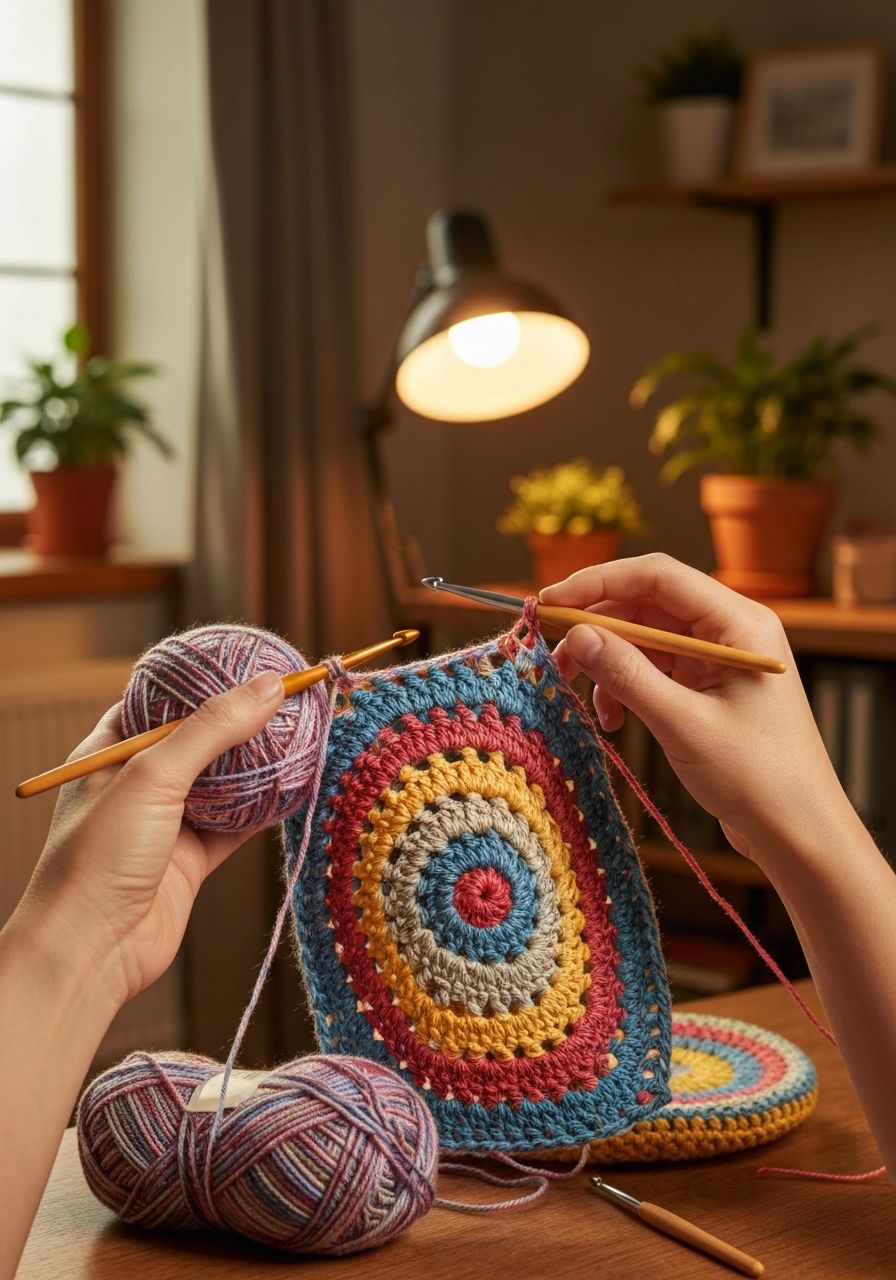
Imagine a world where your crochet hook isn't just weaving single strands, but painting canvases with vibrant hues, creating stunning stripes, playful polka dots, and intricate colorwork that truly brings your projects to life. The thought of adding multiple colors might seem daunting at first, a secret held by experienced crocheters, but I promise you, it's an incredibly rewarding skill that’s within your reach! Mastering crochet changing colors is the magical key to unlocking a universe of creative possibilities, transforming simple yarn into breathtaking, personalized masterpieces that will fill you with pride.
Welcome, fellow yarn enthusiast, to your ultimate beginner's guide to changing colors in crochet. Whether you dream of crafting bold striped blankets, multi-hued amigurumi, or delicate color-blocked garments, this guide will equip you with the fundamental techniques, expert tips, and confidence you need to seamlessly transition between colors. We'll demystify the process, ensuring your joins are neat, your edges clean, and your finished projects look professionally made.
Why It Matters
Learning how to change colors effectively is more than just a technique; it's a gateway to an entirely new dimension of crochet creativity. Without it, you're limited to single-color projects, which, while beautiful in their own right, don't allow for the full spectrum of artistic expression. Here’s why mastering this skill is so crucial:
- Visual Interest: Color changes add dynamic visual appeal to any project, breaking up monotony and drawing the eye.
- Design Versatility: It opens the door to patterns like stripes, color blocking, intarsia, tapestry crochet, and fair isle, allowing for complex and detailed designs.
- Personalization: You can customize projects with team colors, favorite palettes, or specific themes, making each piece uniquely yours.
- Amigurumi Details: For amigurumi makers, color changes are essential for creating facial features, clothing, and distinct body parts, bringing characters to life.
- Professional Finish: Clean, invisible color changes are a hallmark of well-made crochet, elevating your work from handmade to artisan quality.
What You Need to Know
Before we dive into the stitches, let's cover some essential groundwork. Understanding these basics will make your color-changing journey much smoother:
- Yarn Weight Consistency: Always try to use yarns of the same weight (e.g., all worsted weight, all sport weight) when changing colors within a project. Mixing weights can lead to uneven tension, inconsistent fabric, and noticeable differences in drape.
- Tension is Key: Consistent tension throughout your work is vital, especially around color changes. Too loose, and you'll have gaps; too tight, and your fabric will pucker. Practice makes perfect!
- The "Last Step" Rule: This is the golden rule of color changing. You always introduce the new color on the final yarn over of the stitch immediately preceding the color change. This ensures the top of the stitch appears in the new color, creating a seamless transition.
- Tools: Besides your crochet hook and yarn, you'll need a good pair of sharp scissors for cutting yarn and a tapestry needle (or yarn needle) for weaving in those pesky ends.
Mastering the Color Change Technique
There are several ways to change colors, each suited for different situations. We'll focus on the most common and versatile methods.
Joining a New Color at the End of a Row/Round
This is the most straightforward method, perfect for creating clean stripes or transitioning to a new color for an entire section.
- Work the last stitch of your current color almost completely: For example, if it's a single crochet (sc), insert your hook into the stitch, yarn over (yo) with the current color, and pull up a loop (you'll have 2 loops on your hook). If it's a double crochet (dc), yo, insert hook, yo, pull up a loop, yo, pull through 2 loops (you'll have 2 loops on your hook).
- Drop the old color: Let go of the yarn you were just working with.
- Pick up the new color: Hold the new color yarn behind your work, leaving a tail of about 4-6 inches (10-15 cm).
- Complete the stitch with the new color: Yarn over with the new color and pull it through the remaining loops on your hook. This completes the stitch in the old color, but the top of the stitch will be in the new color.
- Secure and Continue: Chain the required number of stitches for your turning chain (e.g., ch 1 for sc, ch 3 for dc) using the new color. You can give a gentle tug on both the old and new yarn tails to snug up the join. Turn your work (if working in rows) and continue crocheting with the new color.
Changing Color Mid-Row/Mid-Round (Invisible Join)
This technique is essential for intarsia, tapestry crochet, or any design where a color change happens within a row, not just at the end. The principle remains the same: complete the last step of the stitch with the new color.
- Work the stitch immediately before the color change point almost completely: For example, if you're making a single crochet and need to switch colors in the next stitch, work your current sc until you have 2 loops on your hook.
- Drop the current color: Let it hang at the back of your work.
- Pick up the new color: Bring the new yarn up from behind your work, leaving a 4-6 inch (10-15 cm) tail.
- Complete the stitch with the new color: Yarn over with the new color and pull through the remaining loops on your hook. The stitch you just completed will now have the new color on top.
- Continue crocheting: Proceed with the next stitch using the new color.
- Managing old yarn: You can either drop the old yarn and pick it up later if you're coming back to it, or you can carry it along by crocheting over it (see next section) if you're switching back and forth frequently in a small area.
Carrying Yarn (Tapestry Crochet Style)
Carrying yarn, also known as crocheting over tails, is a clever way to hide inactive yarn strands within your stitches. This is particularly useful for tapestry crochet, small color blocks, or when you anticipate switching back to a color very soon, as it reduces the number of ends to weave in.
- Identify the inactive yarn: This is the color you're not currently working with but want to reintroduce soon.
- Lay the inactive yarn across the top of the stitches: Place the strand of yarn you want to carry directly on top of the previous row or round, in front of the stitches you are about to work into.
- Crochet over the inactive yarn: When you make your next stitch, insert your hook under the top loops of the stitch below AND under the strand of inactive yarn. Then, complete your stitch as usual, effectively encasing the inactive yarn within your new stitch.
- Maintain tension: Be mindful of your tension to ensure the carried yarn doesn't pull the fabric too tight or show through too much.
- Switching back: When you're ready to switch back to the carried color, simply drop your current working yarn (leaving it attached) and pick up the carried yarn, completing the last step of the preceding stitch with the new (previously carried) color.
Common Mistakes to Avoid
Even experienced crocheters can make these slip-ups. Being aware of them will help you achieve cleaner results:
- Changing Color Too Early/Late: If you change color before the last yarn over, the previous stitch will have a "bump" of the new color showing on its side. If you change too late, the top of the stitch will still be the old color.
- Leaving Loose Ends: Not securing your yarn tails properly can lead to unraveling. Always leave enough tail to weave in securely.
- Forgetting to Weave in Ends: This is the bane of many crocheters! Unwoven ends can make a beautiful project look messy and unfinished.
- Cutting Yarn Too Short: Trying to save yarn by cutting tails too short will make weaving in difficult, if not impossible, and risks unraveling.
- Inconsistent Tension at the Join: A sudden change in tension at the color transition can create a noticeable puckering or looseness in your fabric.
- Not Trimming Tails After Weaving: Once woven in, trim any excess yarn close to the fabric, but not so close that it pulls out.
Pro Tips for Flawless Color Changes
- Practice Swatches: Before diving into a big project, create small practice swatches to get a feel for the technique with your chosen yarn and hook.
- Weave in As You Go: Especially for amigurumi or projects with many small color changes, weave in ends immediately after a color change. This prevents a mountain of ends at the end of your project.
- Secure with a Knot (Optional): For extra security, especially if the join will be under stress or in amigurumi, you can tie a small, tight knot with the old and new yarn tails after the first new stitch. Make sure it's snug against the fabric.
- Match Yarn Weights and Fiber Content: For the best results, use yarns of the same weight and similar fiber content. Different fibers can behave differently and impact the look and feel of your fabric.
- Consider Yarn Visibility: When carrying yarn, be aware that lighter colors can sometimes show through darker colors if your stitches are loose or the yarn is thin.
- Blocking Helps: For garments or blankets, blocking your finished project can help smooth out minor tension inconsistencies and make color changes appear even more seamless.
- Leave Long Tails: A general rule of thumb is to leave tails at least 4-6 inches (10-15 cm) long for weaving. Longer is always better than too short.
FAQ: Your Color Change Questions Answered
How do I weave in ends neatly?
After a color change, thread the yarn tail onto a tapestry needle. Weave the tail through the wrong side of your fabric for several stitches, changing direction at least once (e.g., horizontally then vertically) to secure it. Try to go through the plies of the yarn for extra grip. Trim any excess close to the fabric.
When should I cut the old yarn?
If you're not planning to use the old color again soon, you can cut it after you've worked a few stitches with the new color and given a gentle tug to secure the join. Leave a 4-6 inch tail for weaving in later. If you're carrying the yarn or plan to switch back, leave it attached.
Can I change colors in any stitch?
Yes, the "last step" principle applies to all crochet stitches (sc, hdc, dc, tr, etc.). The number of loops on your hook when you introduce the new color will vary depending on the stitch, but the rule remains: complete the very last yarn over of the stitch with the new color.
Congratulations, you've just taken a monumental step in your crochet journey! Learning to change colors is a foundational skill that will transform your projects from simple to spectacular. Don't be discouraged if your first few attempts aren't perfect; like any new skill, practice is key. Embrace the journey, experiment with different color combinations, and soon you'll be confidently weaving a tapestry of colors, creating truly unique and cherished handmade items. Happy crocheting!